








For pre-Christmas delivery, Australian orders should be placed before 17th of December.

Women's Bridal Shoes
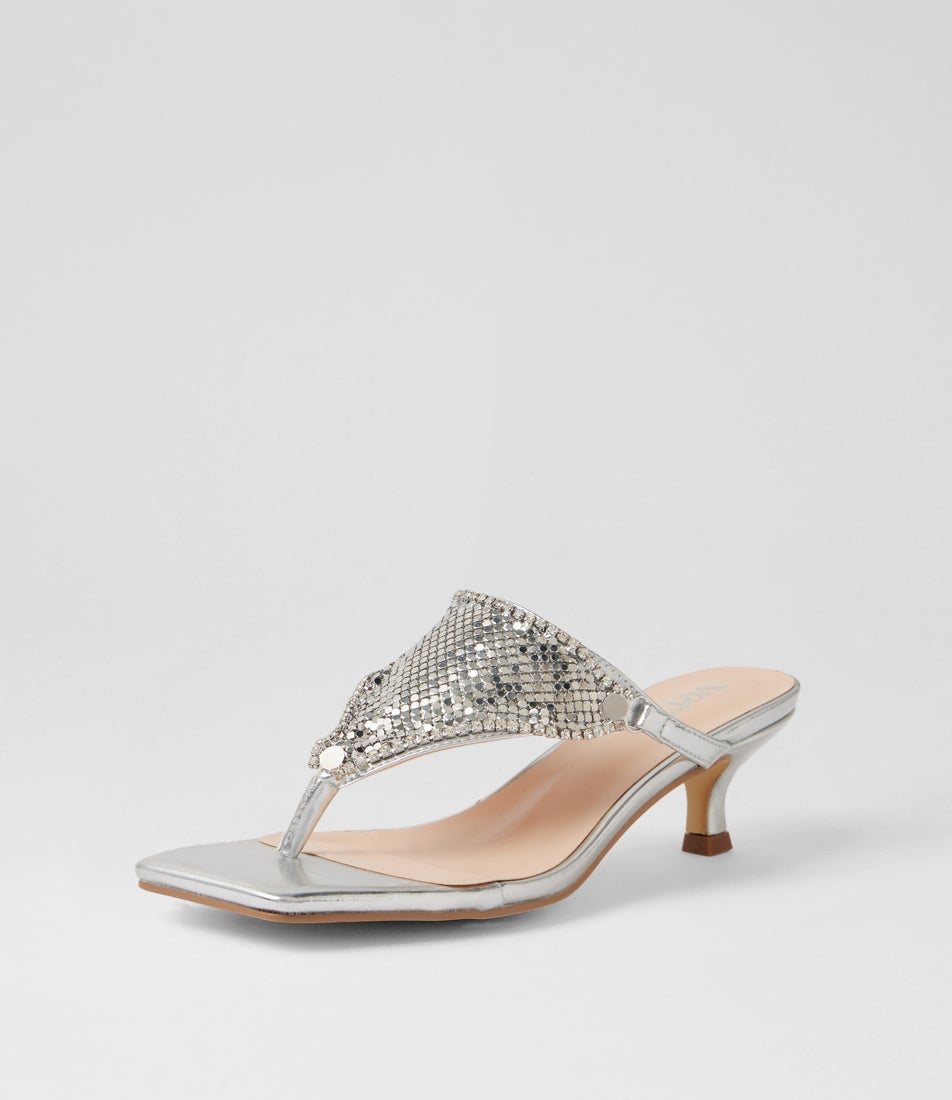
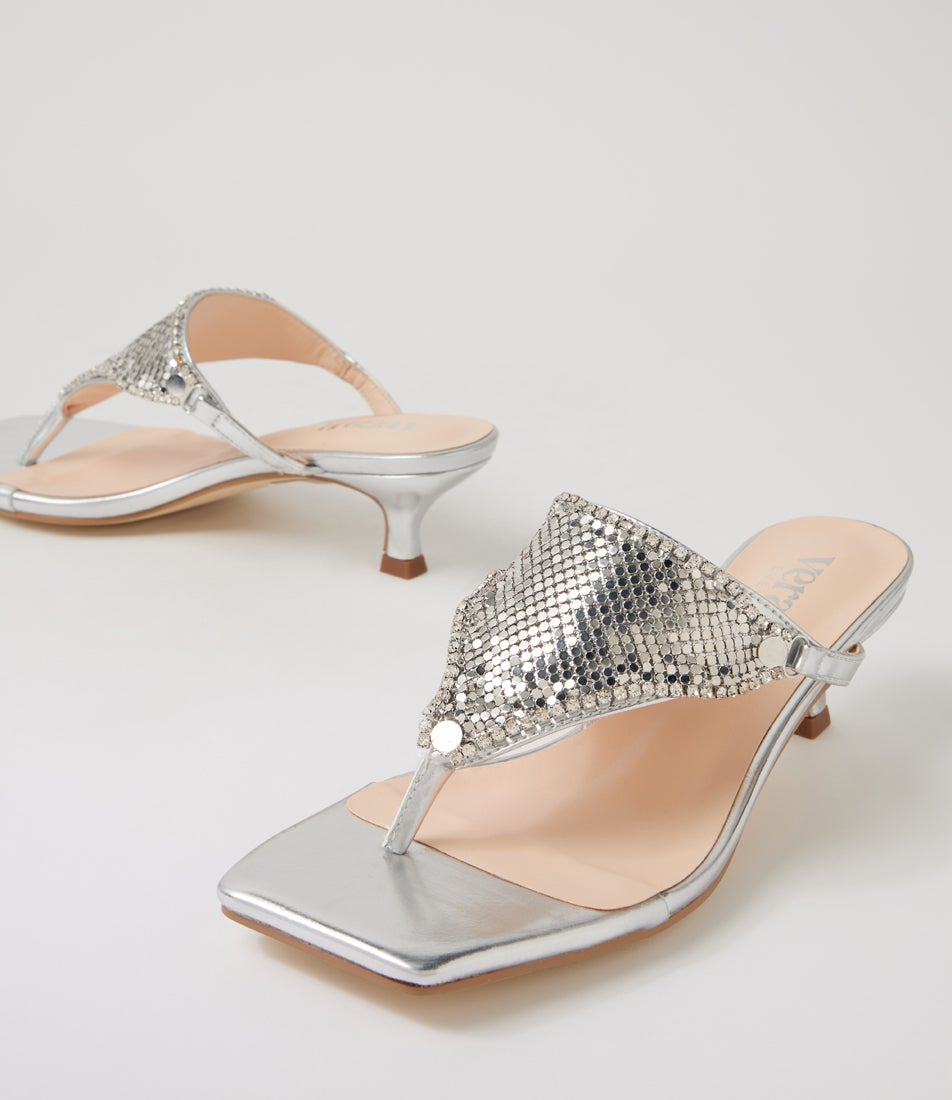
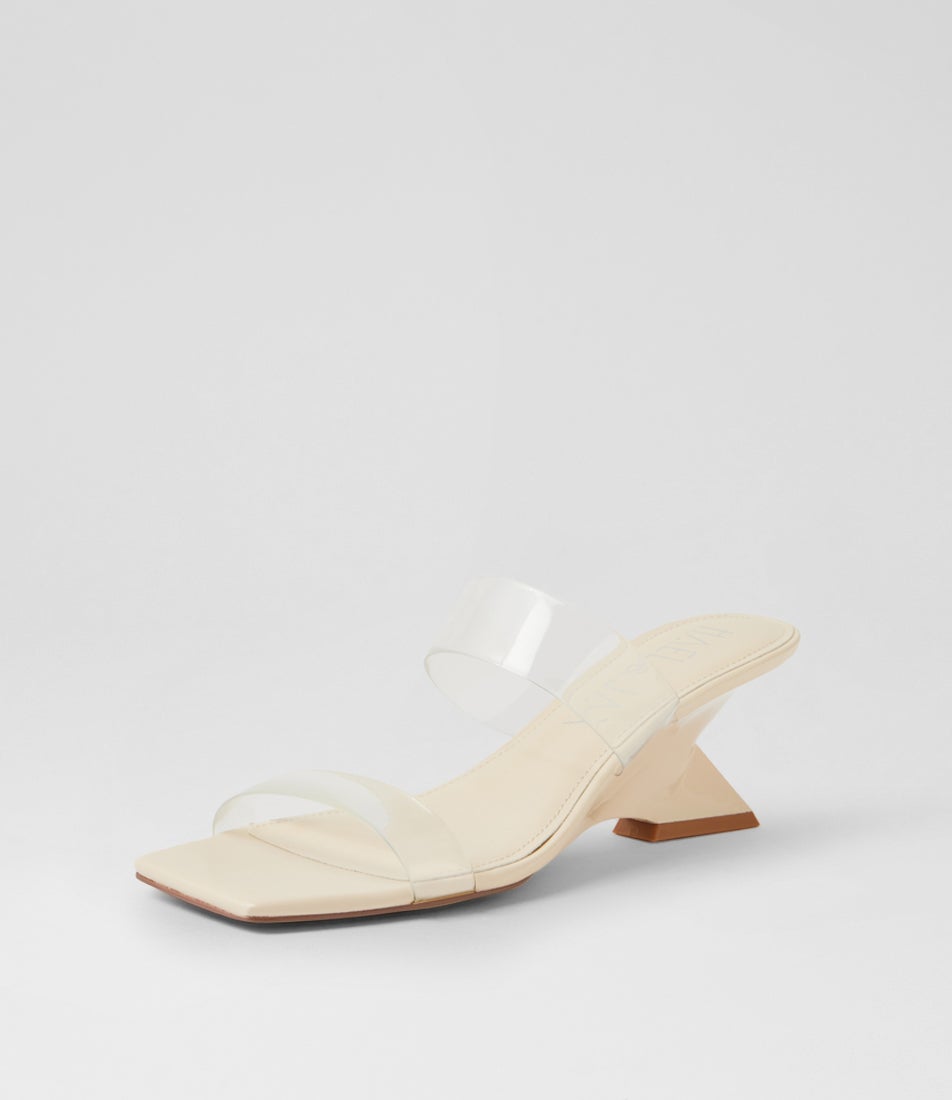
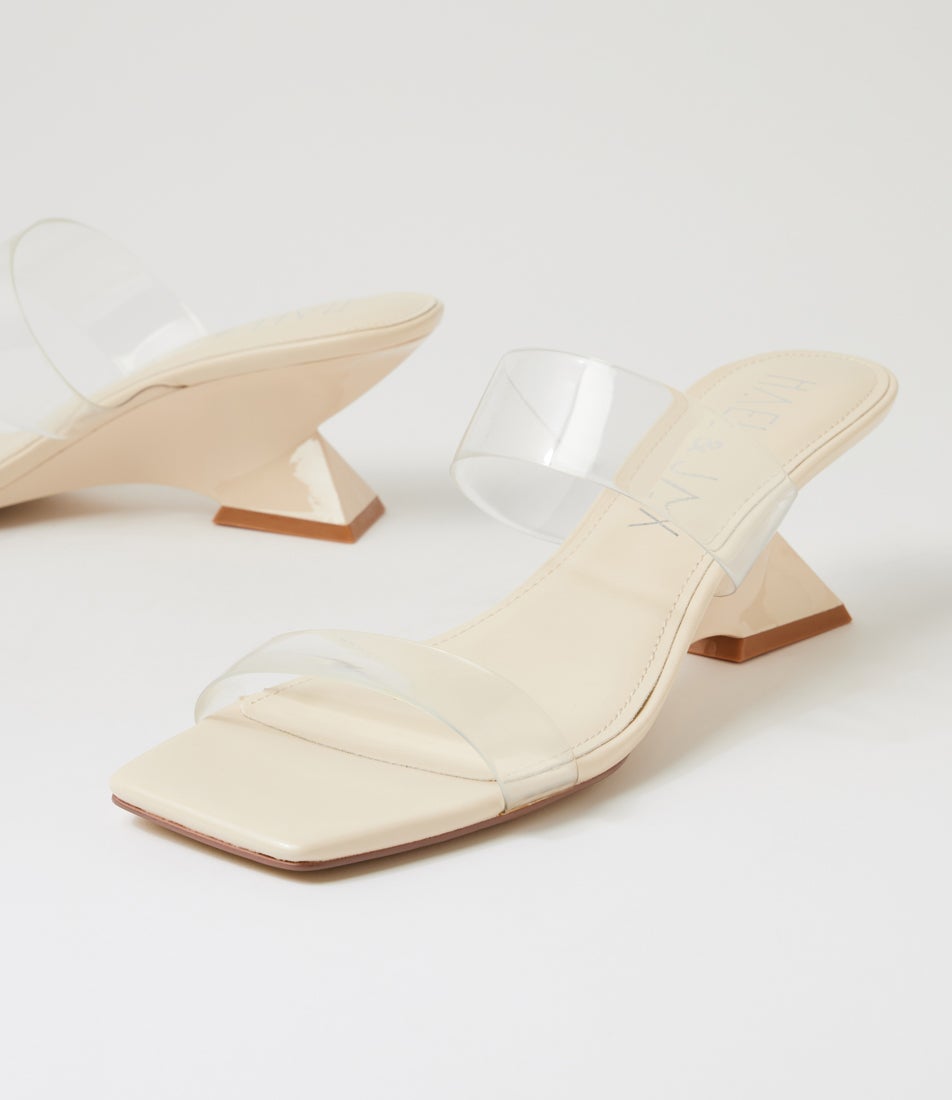
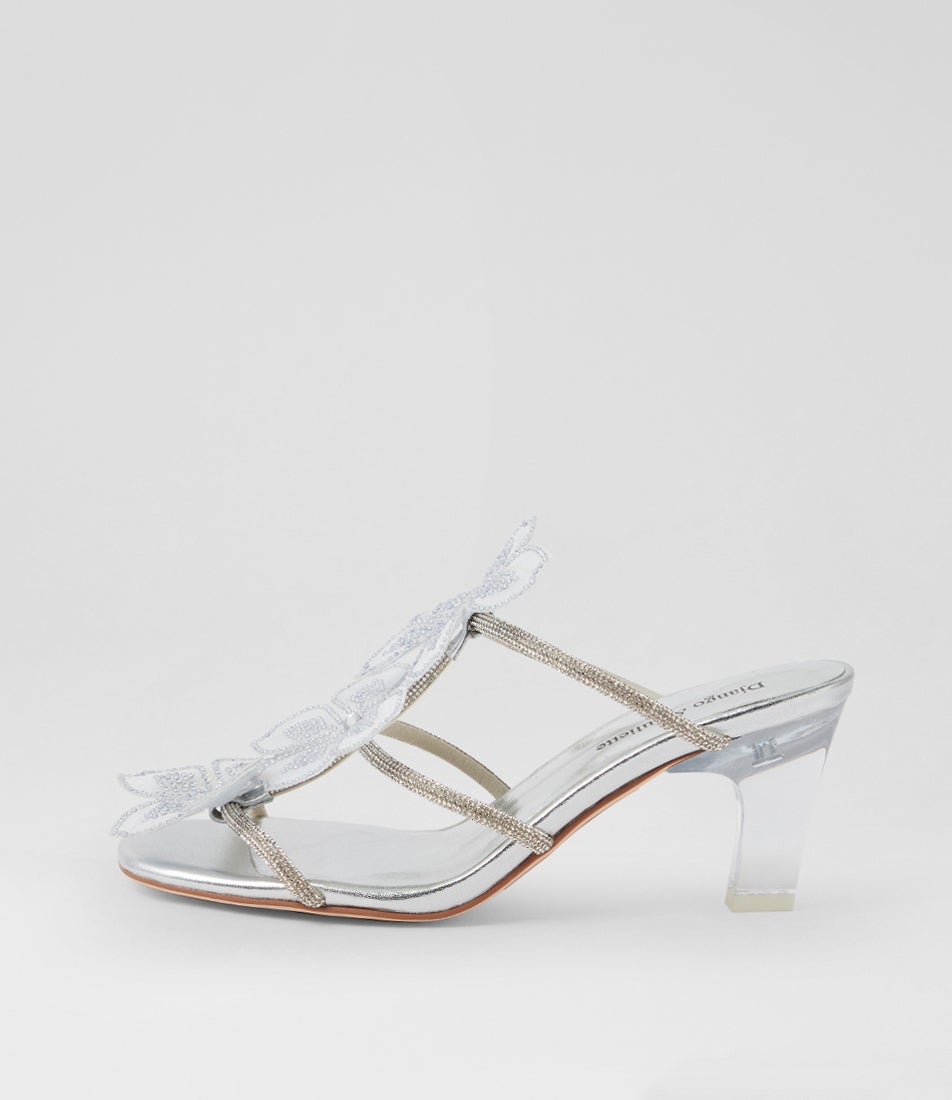
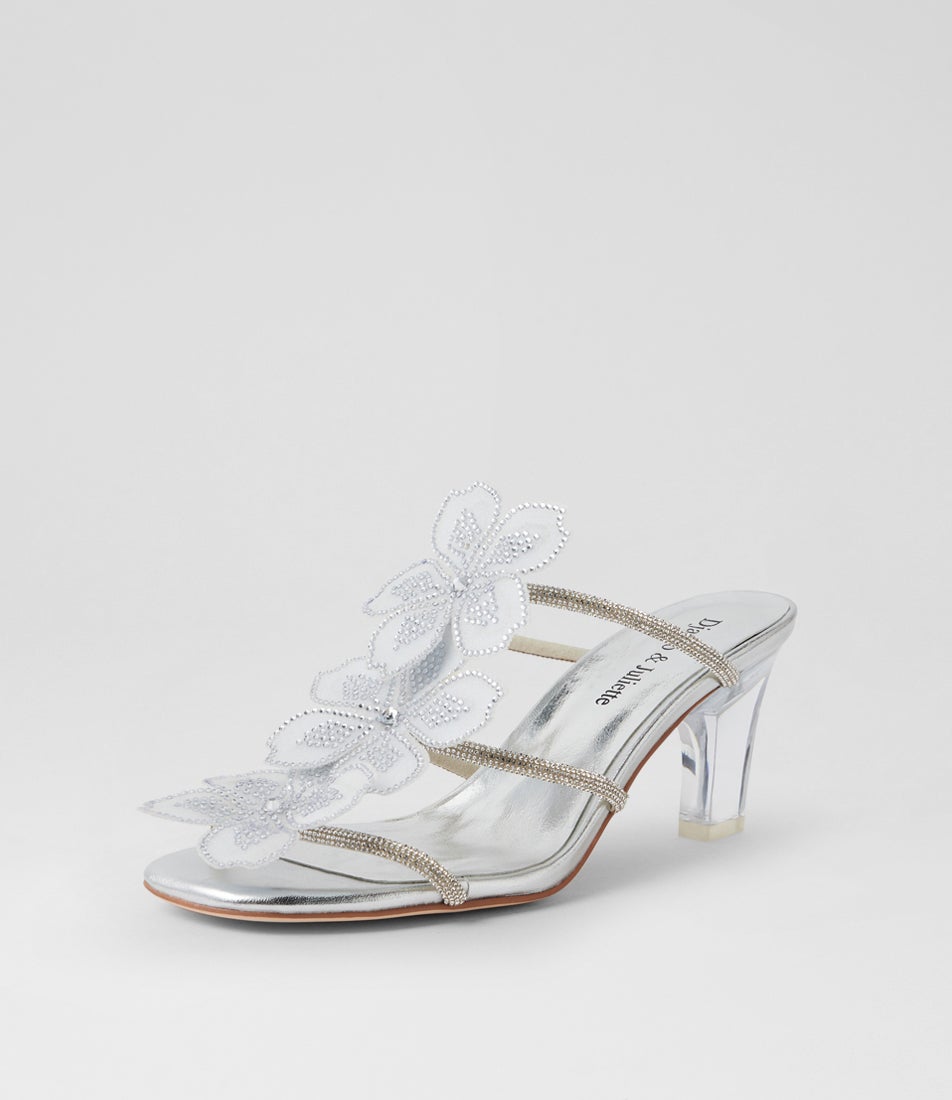
Bridal shoes need to balance appearance, comfort, and practicality across a full day. The right pair carries from ceremony through to reception without compromise. This edit covers wedding shoes across heels, flats, and styles in white and ivory.

















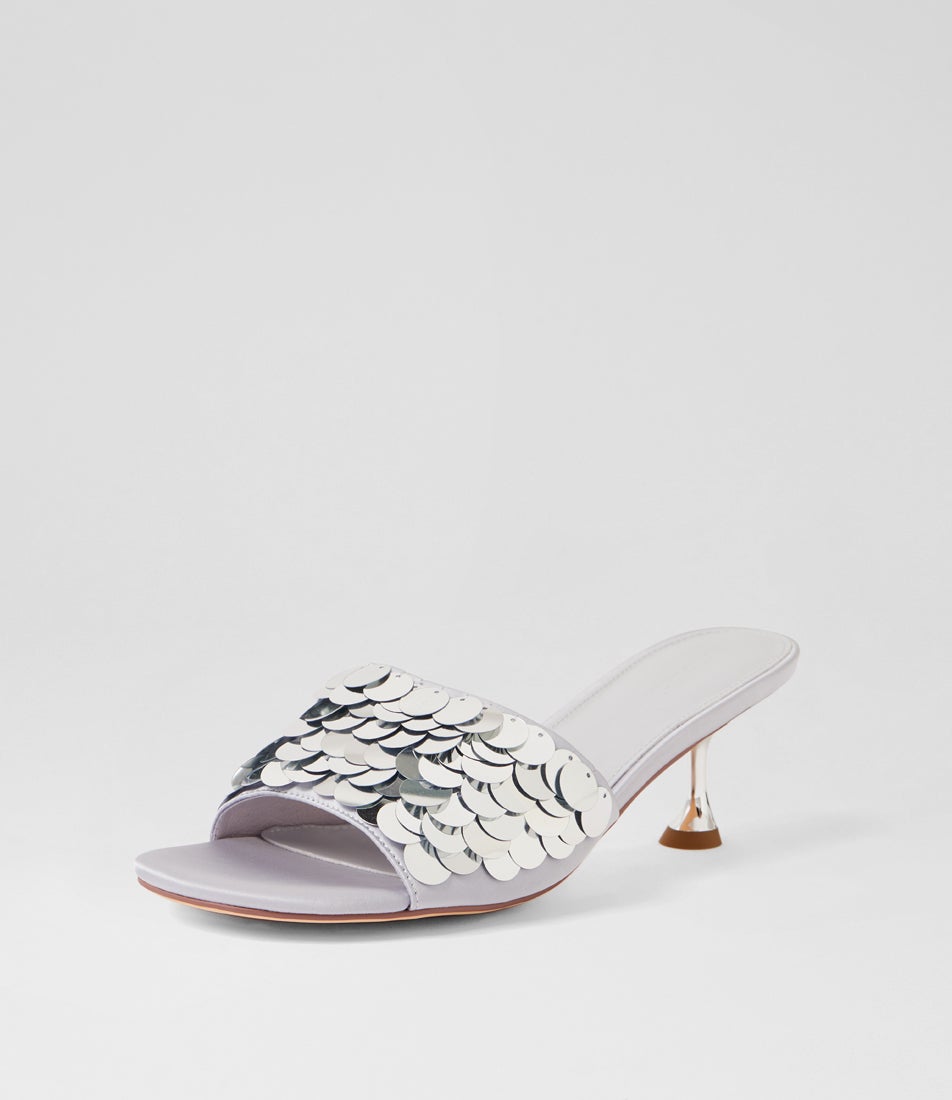
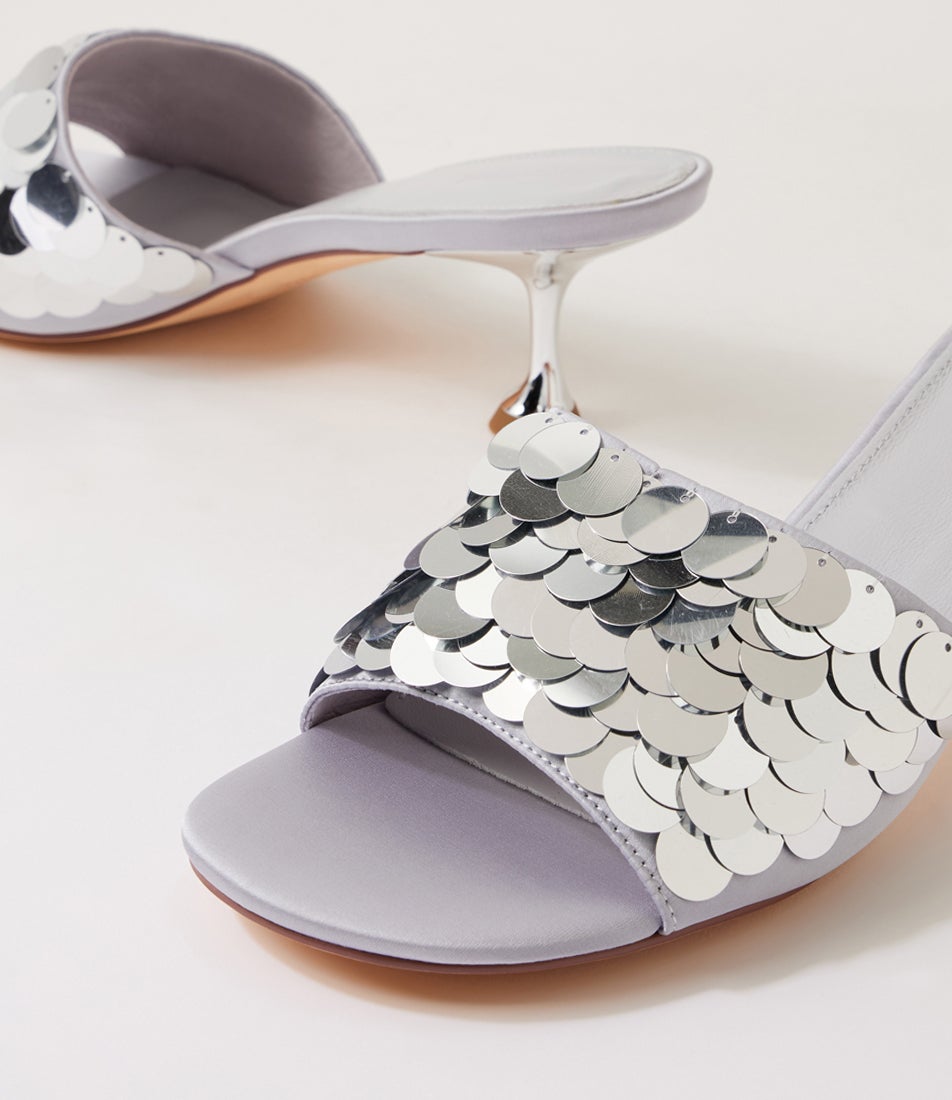
Choosing Bridal Shoes
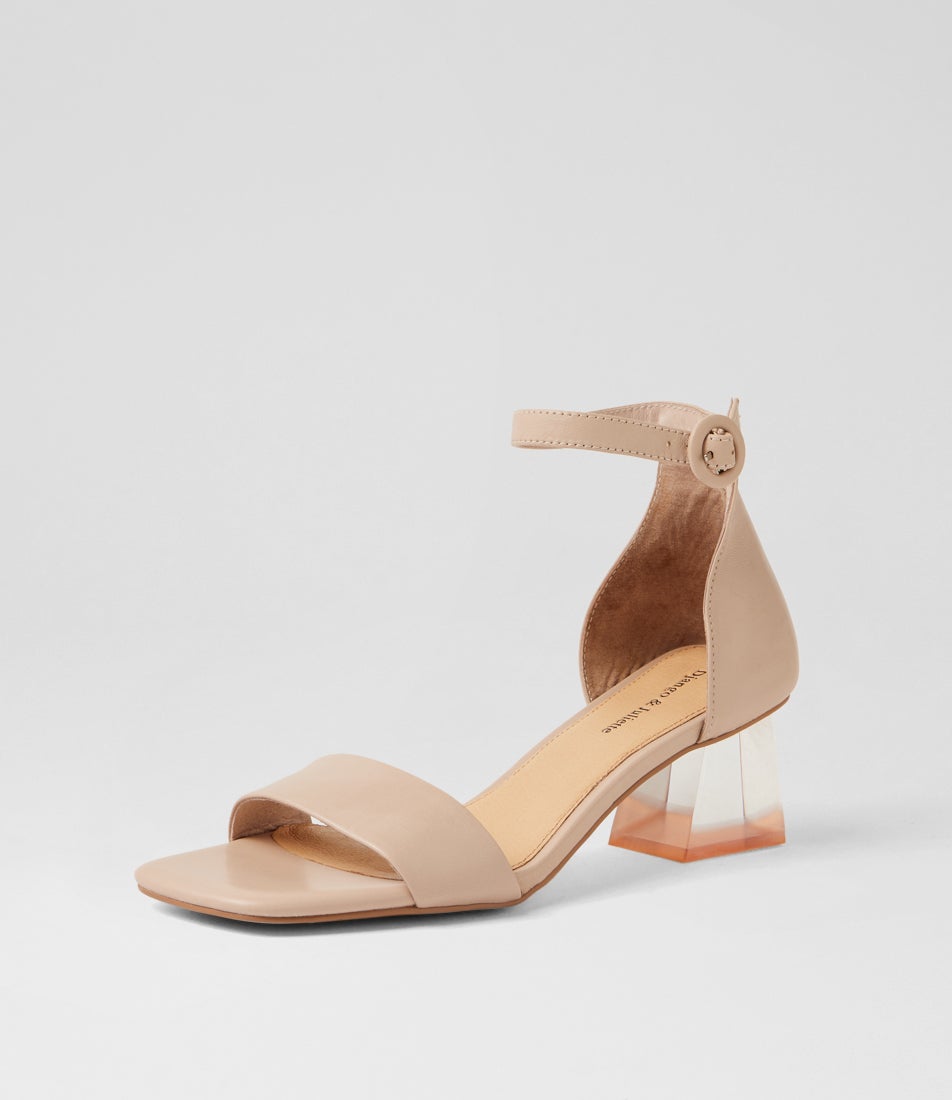
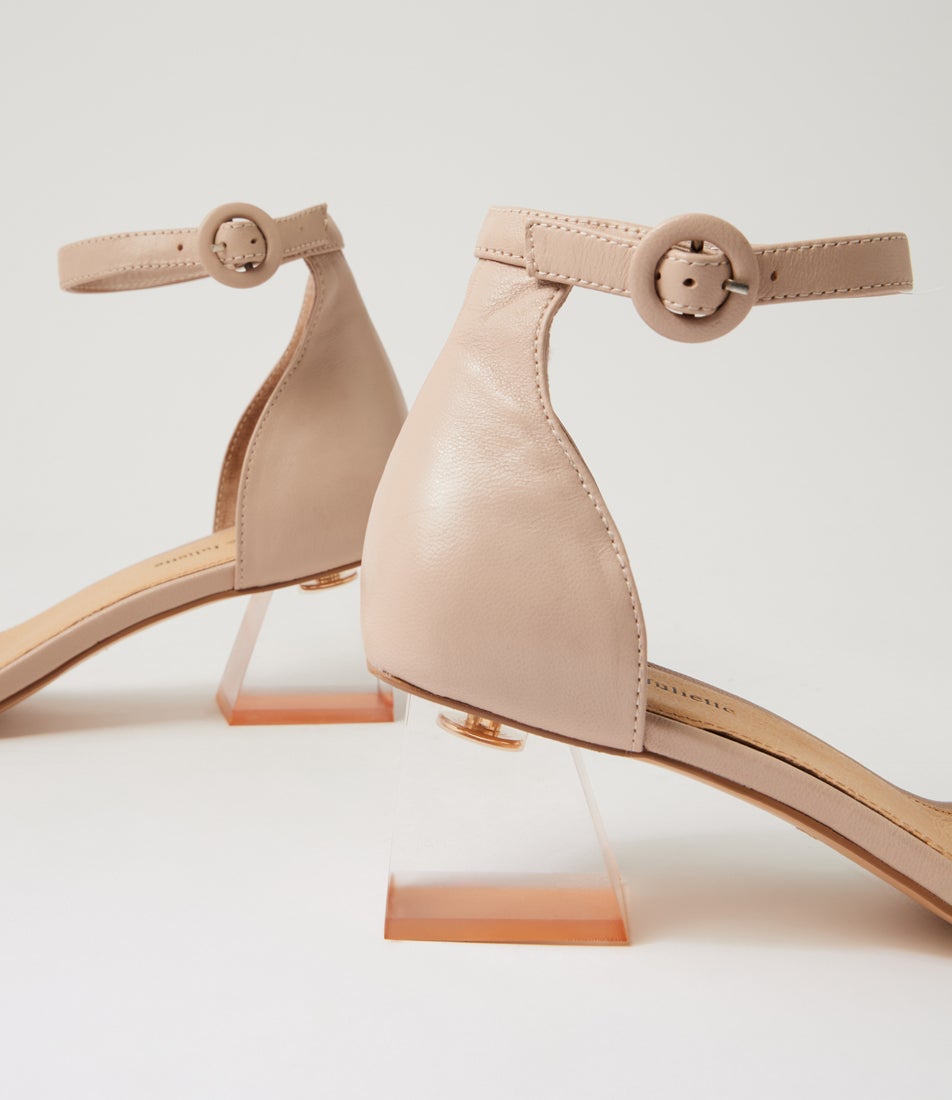
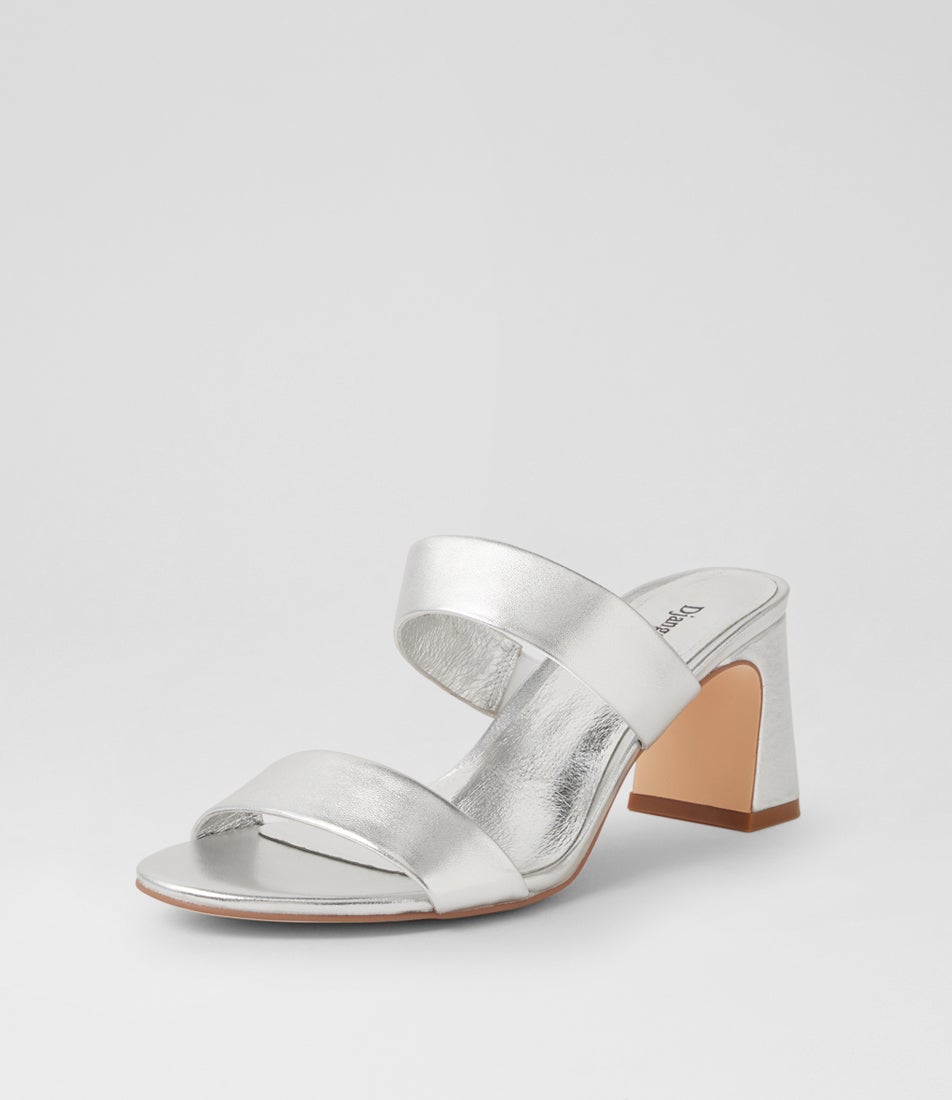
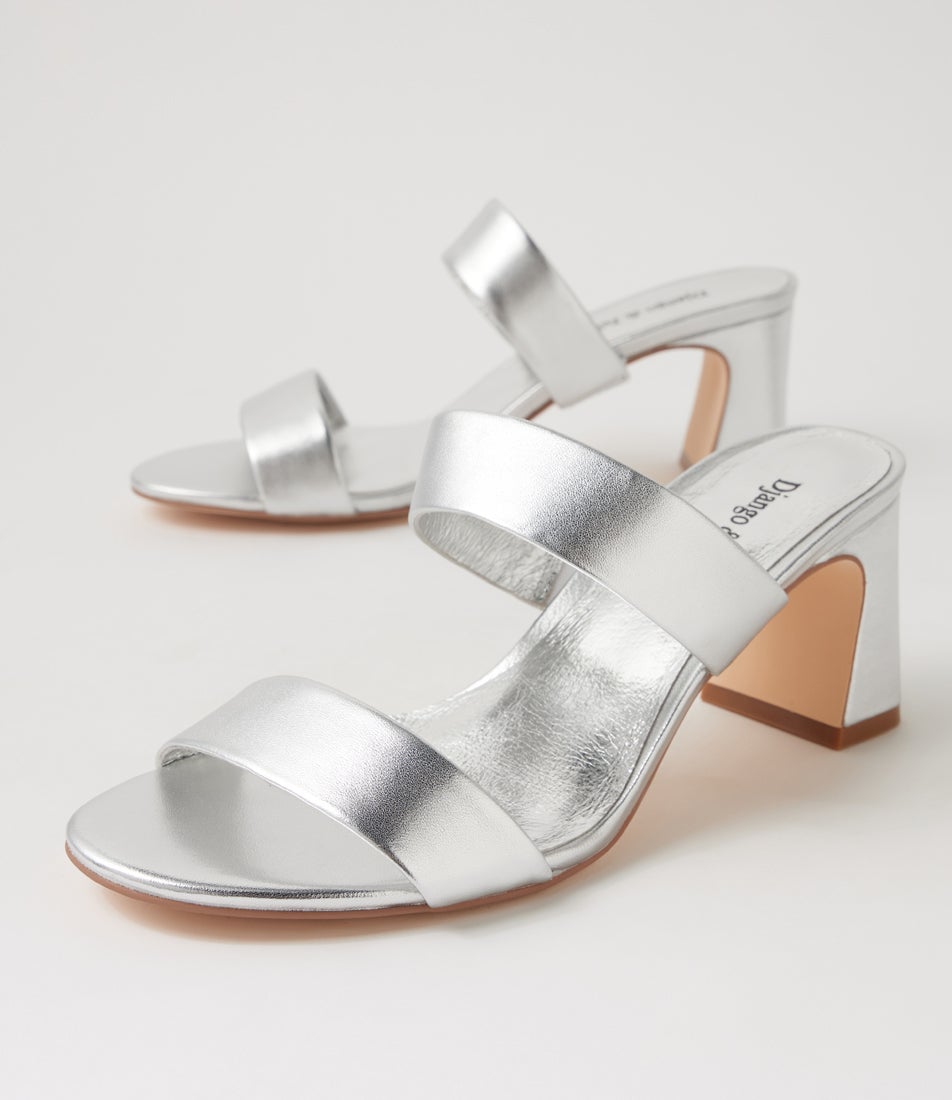
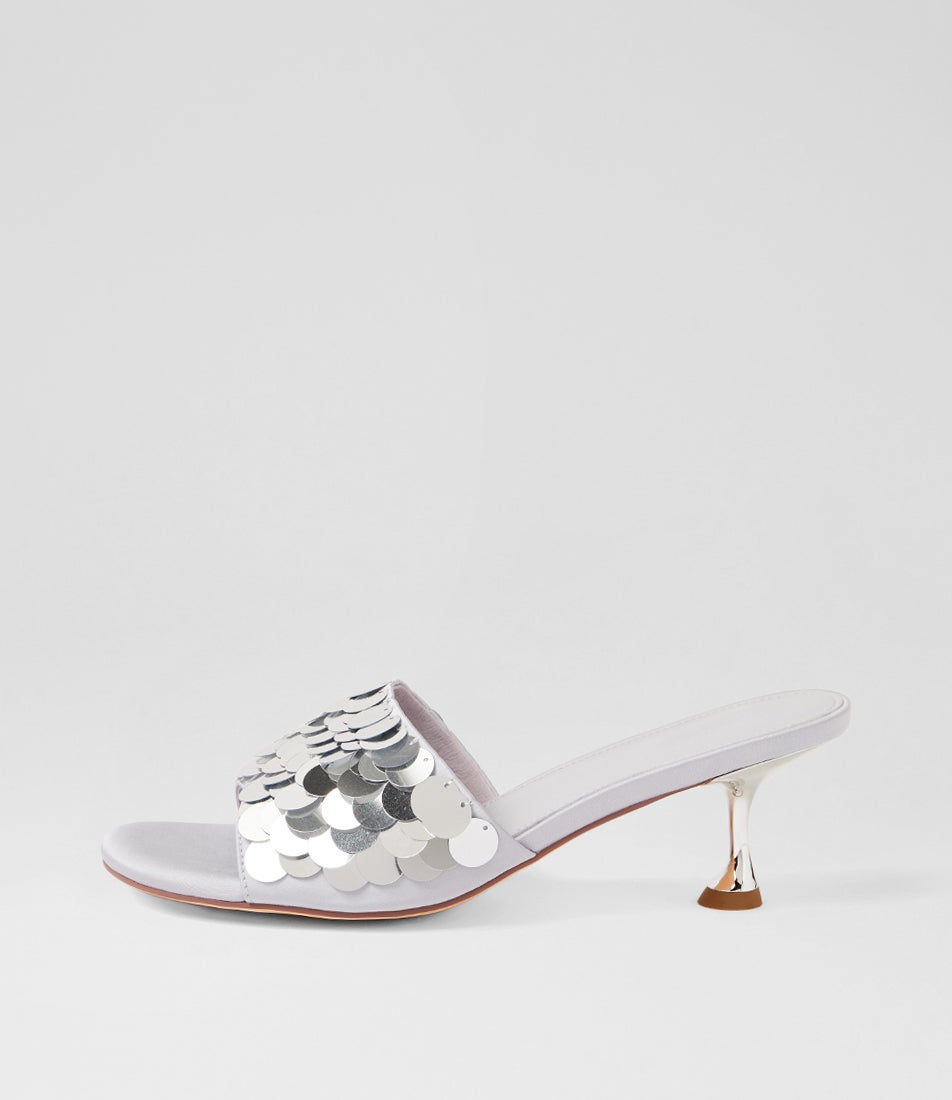
The first decision is heel height. Bridal heels are the most traditional option, adding height and formality beneath a gown. A block heel is the most practical choice for ceremonies and receptions that involve standing, walking on grass, and dancing. A stiletto reads more formal but is harder to sustain over a long day.
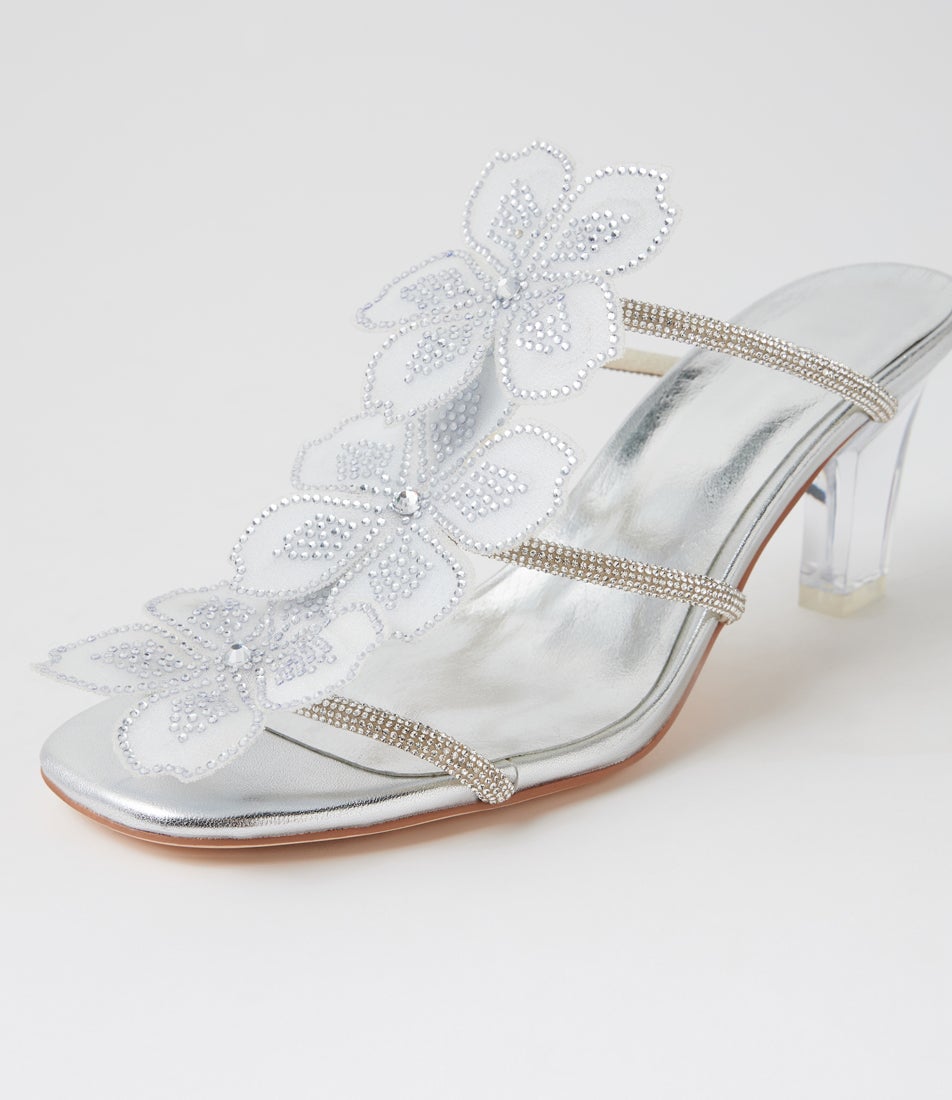
Wedding flats are increasingly popular. A flat bridal shoe keeps the focus on the dress without the discomfort of height. Ballet flats and embellished flat sandals both work beneath bridal hemlines.
Comfort matters more for bridal shoes than for almost any other occasion shoe. The day is long, the surfaces are varied, and changing shoes mid-event is not always practical. Cushioned insoles, secure straps, and a heel height that matches the wearer's daily comfort level are worth prioritising over appearance alone.
White and Ivory Bridal Shoes
White bridal shoes carry a clean, bright undertone. They create the sharpest contrast and read most clearly as a bridal colour. Bright white suits gowns in the same tone and modern, minimalist styling.
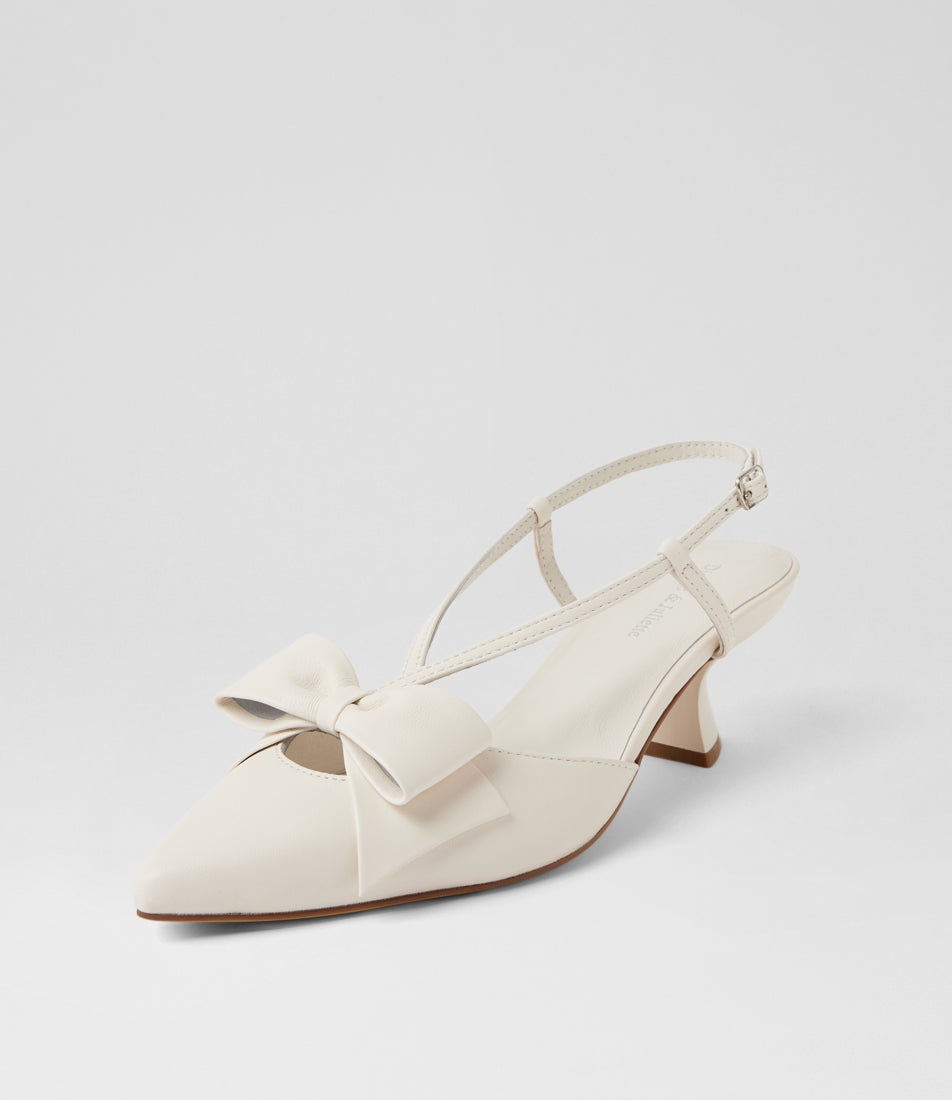
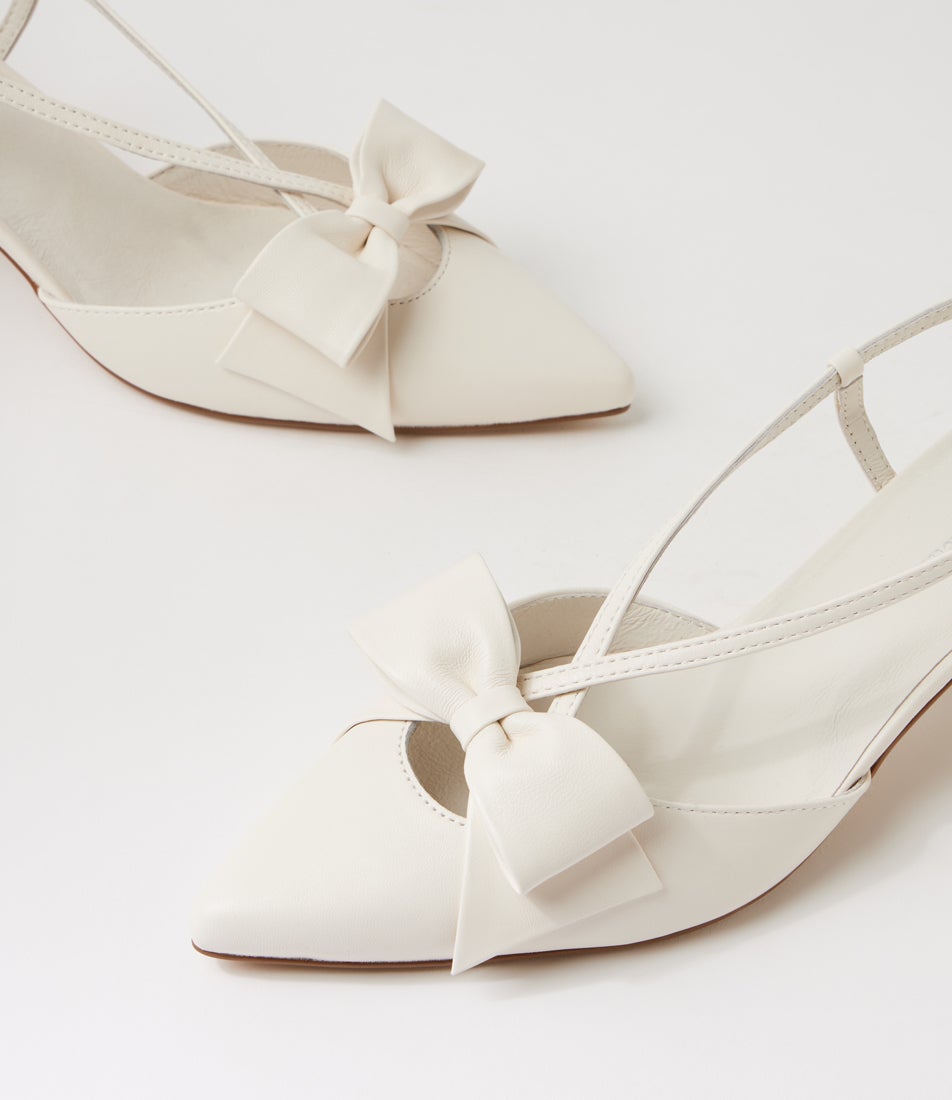
Ivory bridal shoes sit warmer and softer. The slight warmth pairs more naturally with off-white, champagne, and vintage-toned gowns. Ivory is the more versatile of the two, as it reads less stark against skin and fabric.
Matching the shoe tone to the gown matters. A white shoe against an ivory dress creates a visible mismatch that shows in photographs. When in doubt, ivory is safer: it reads as warm white under most lighting conditions.
Bridal Shoe Styles
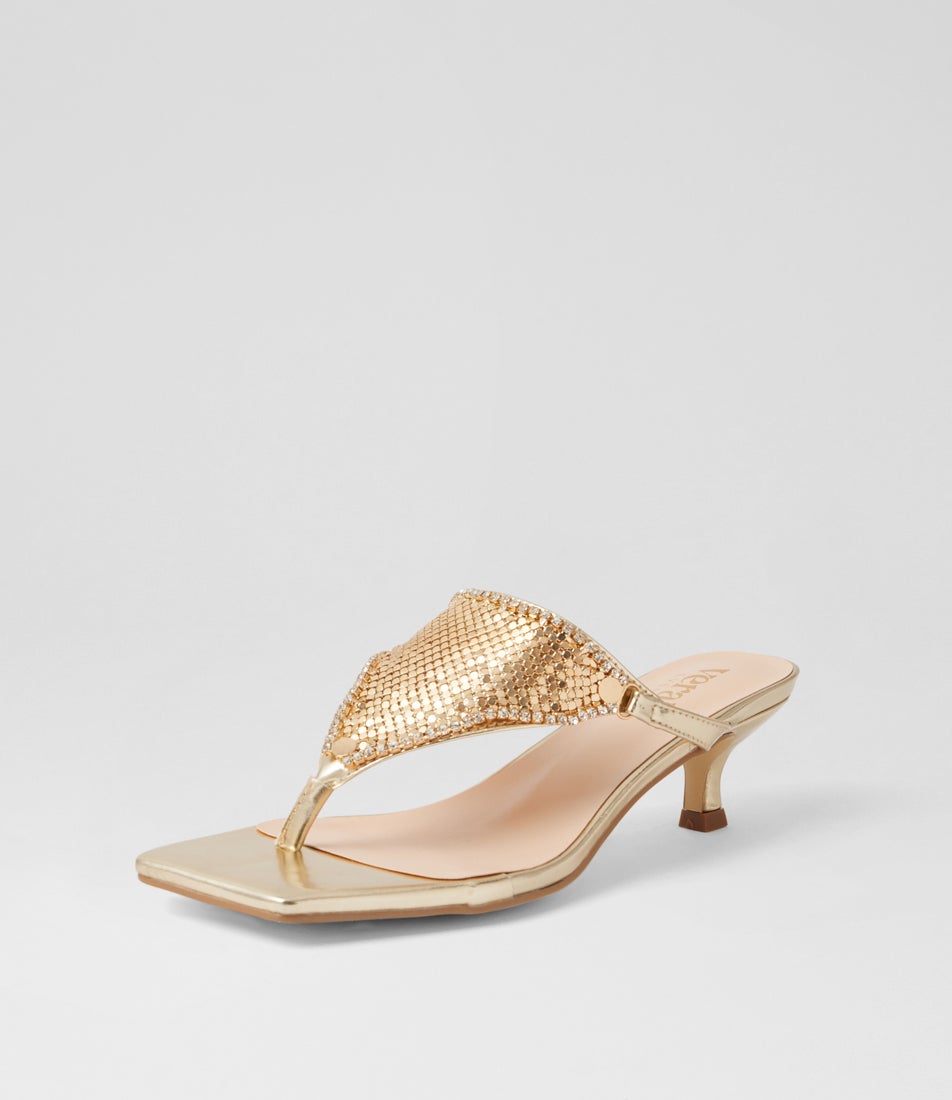
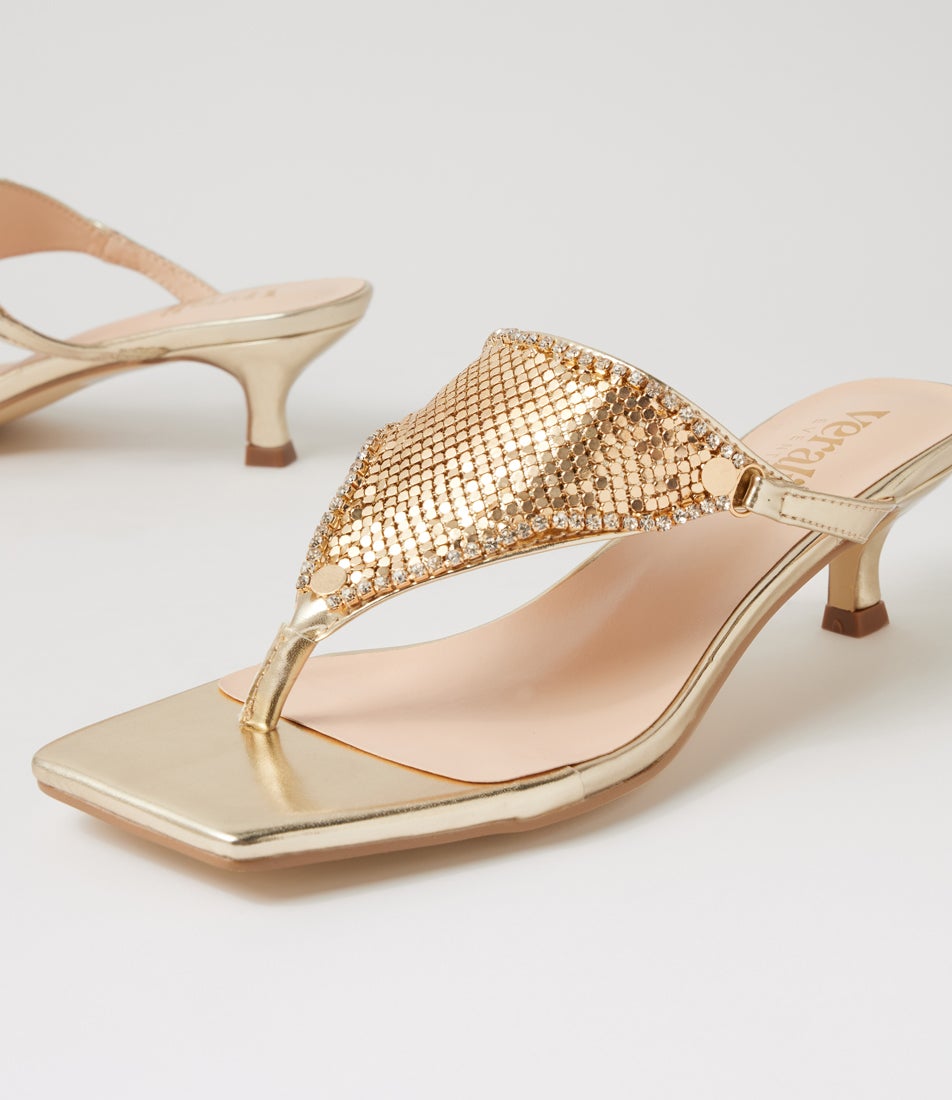
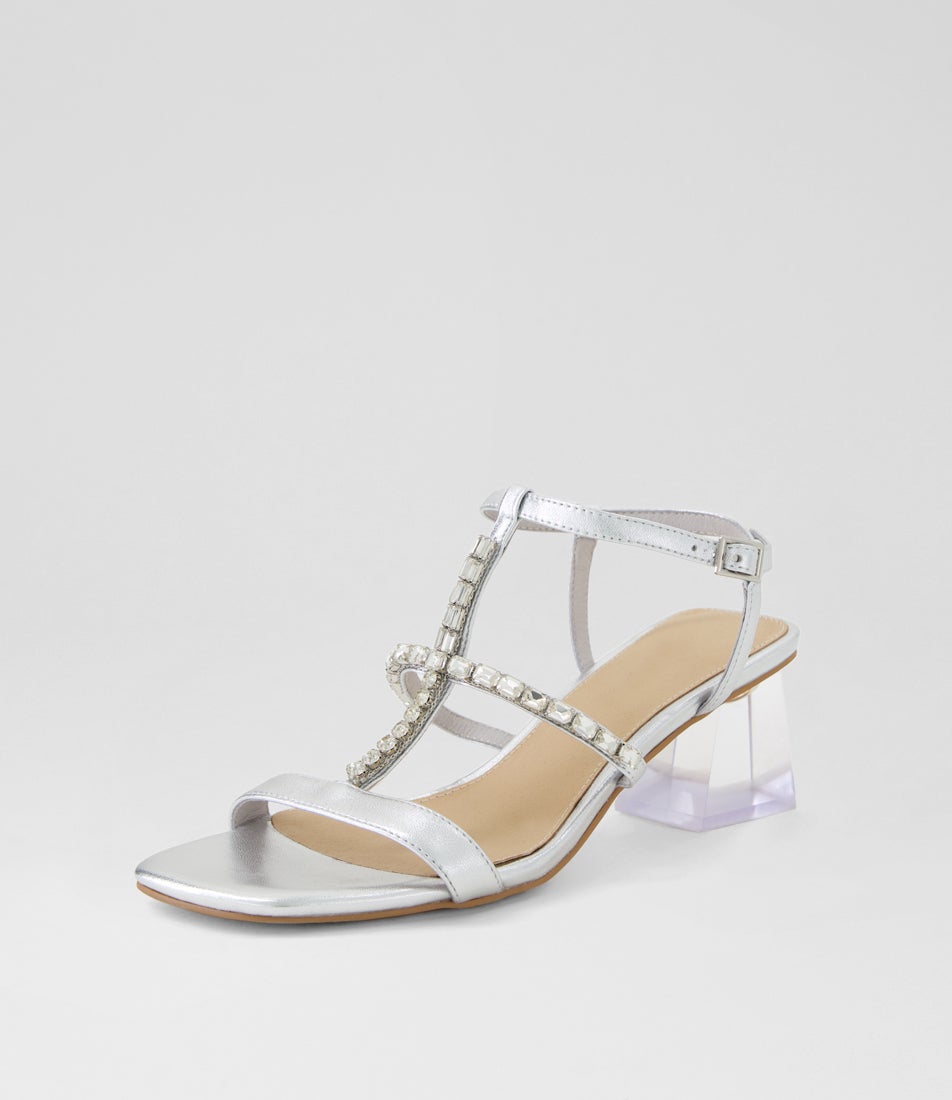
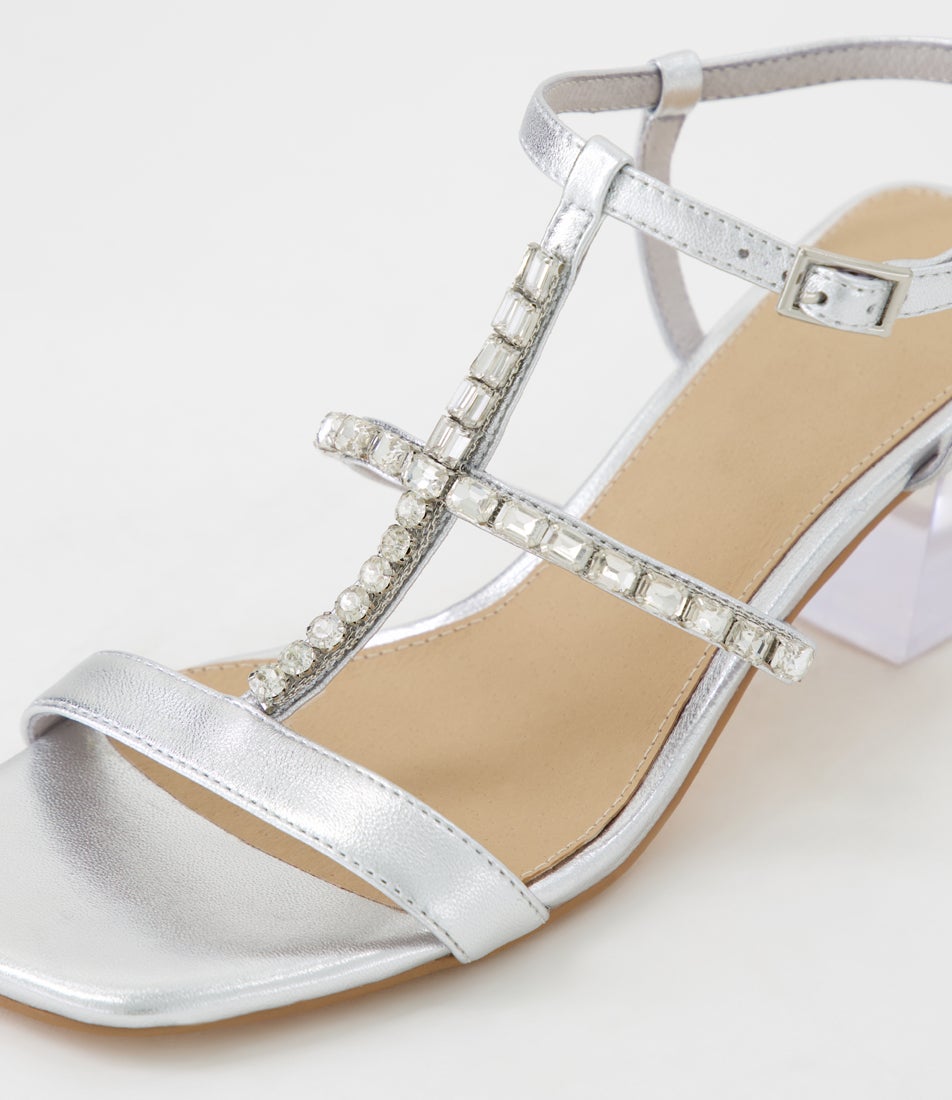
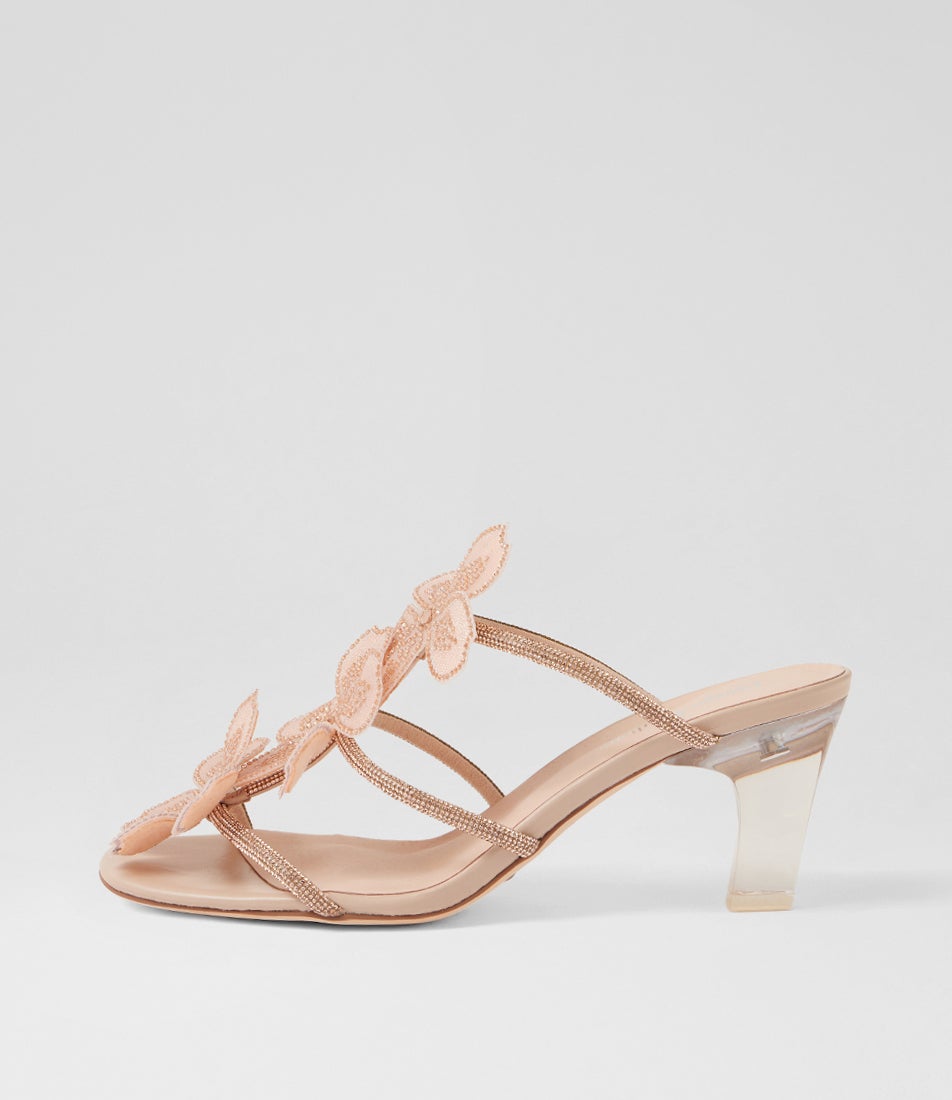
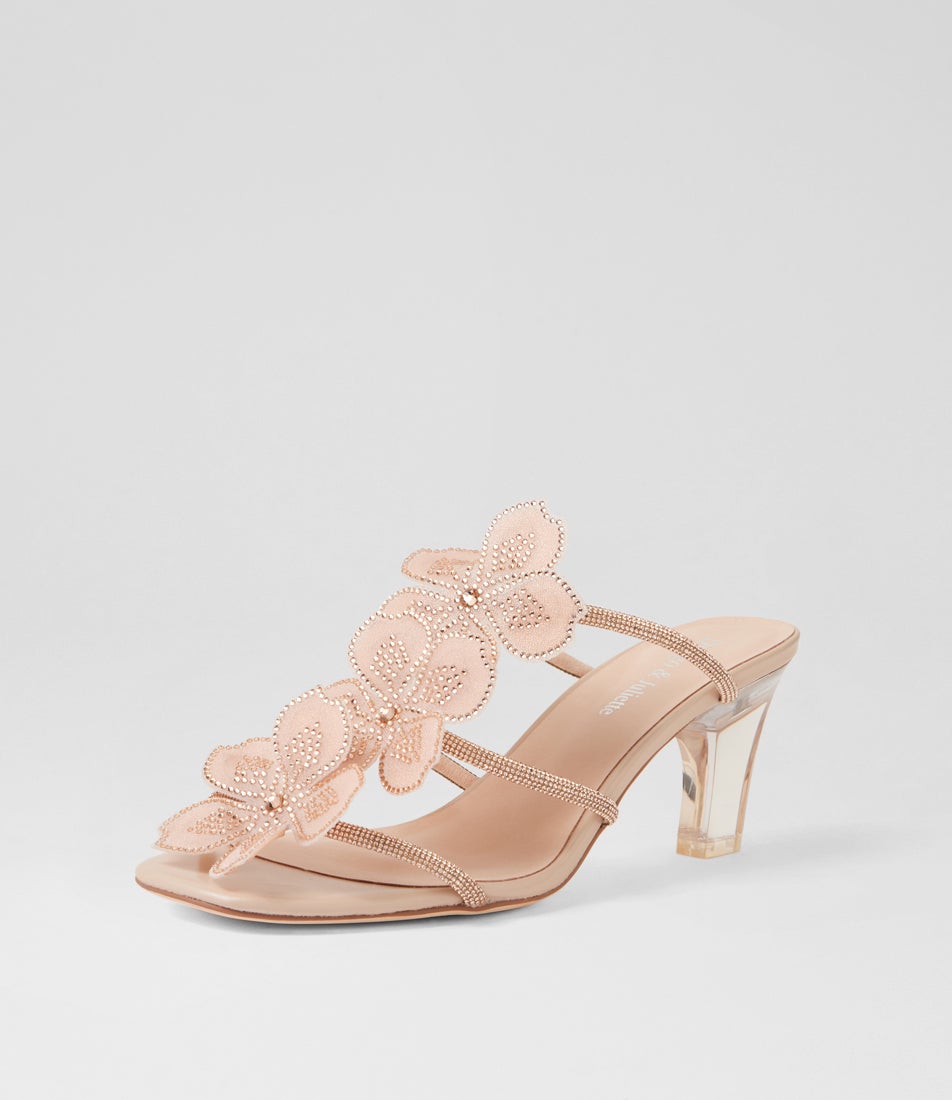
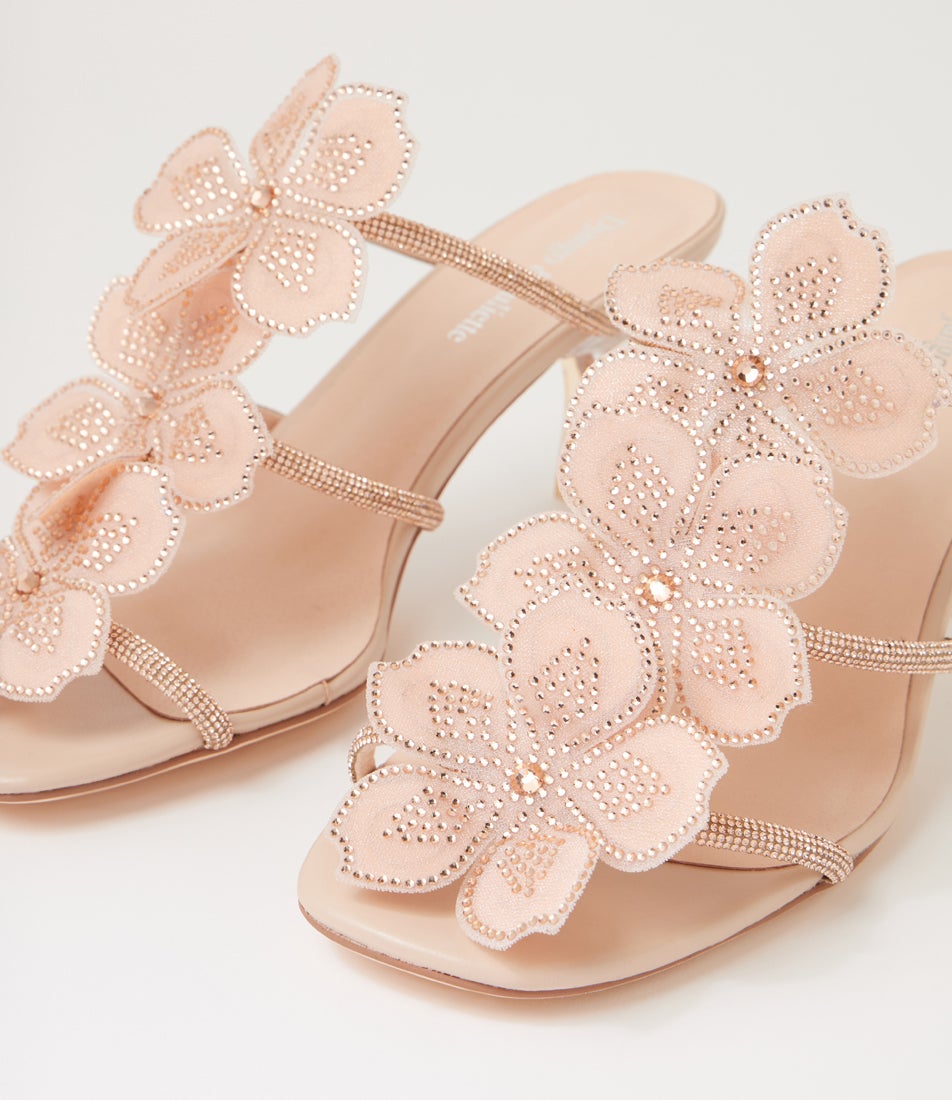
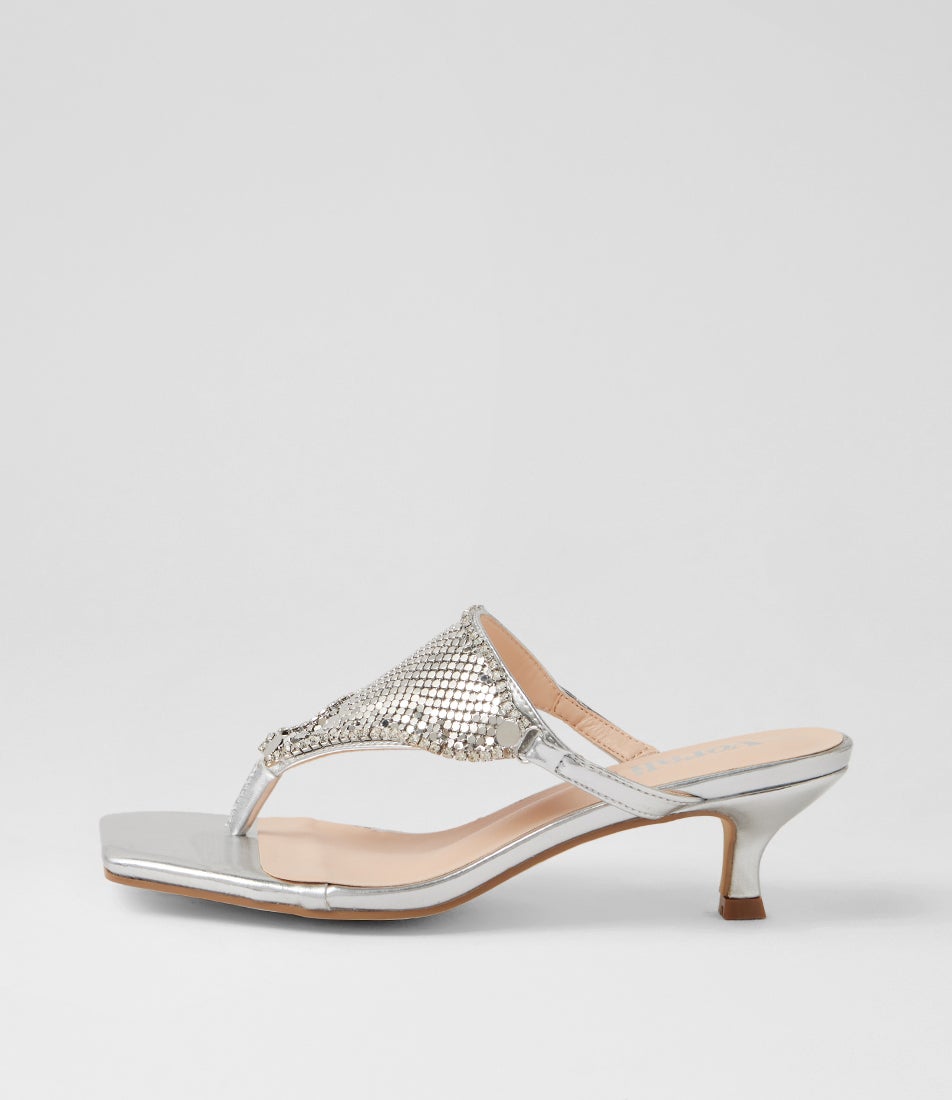
Strappy heeled sandals are the most classic bridal option. The open design reads elegant and light, suiting spring and summer weddings. A block heel adds stability; a slim heel adds formality.
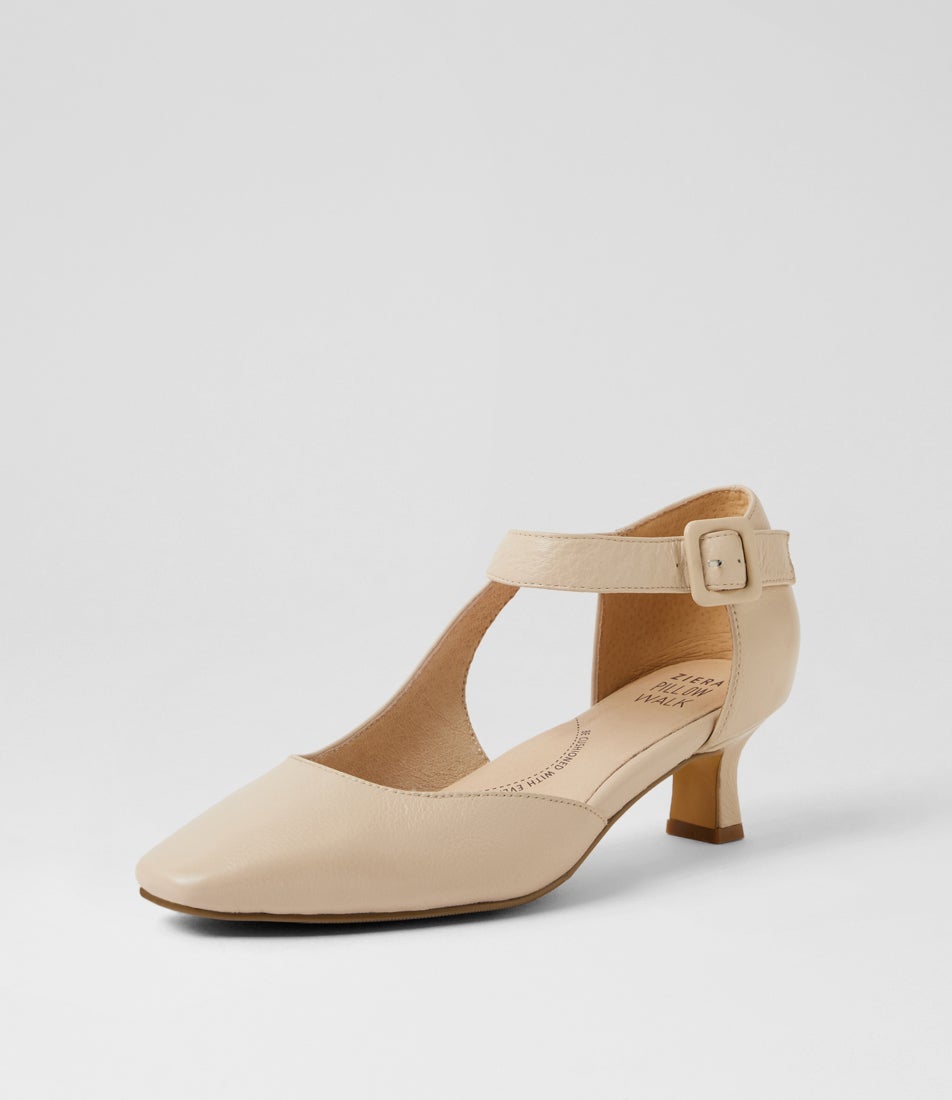
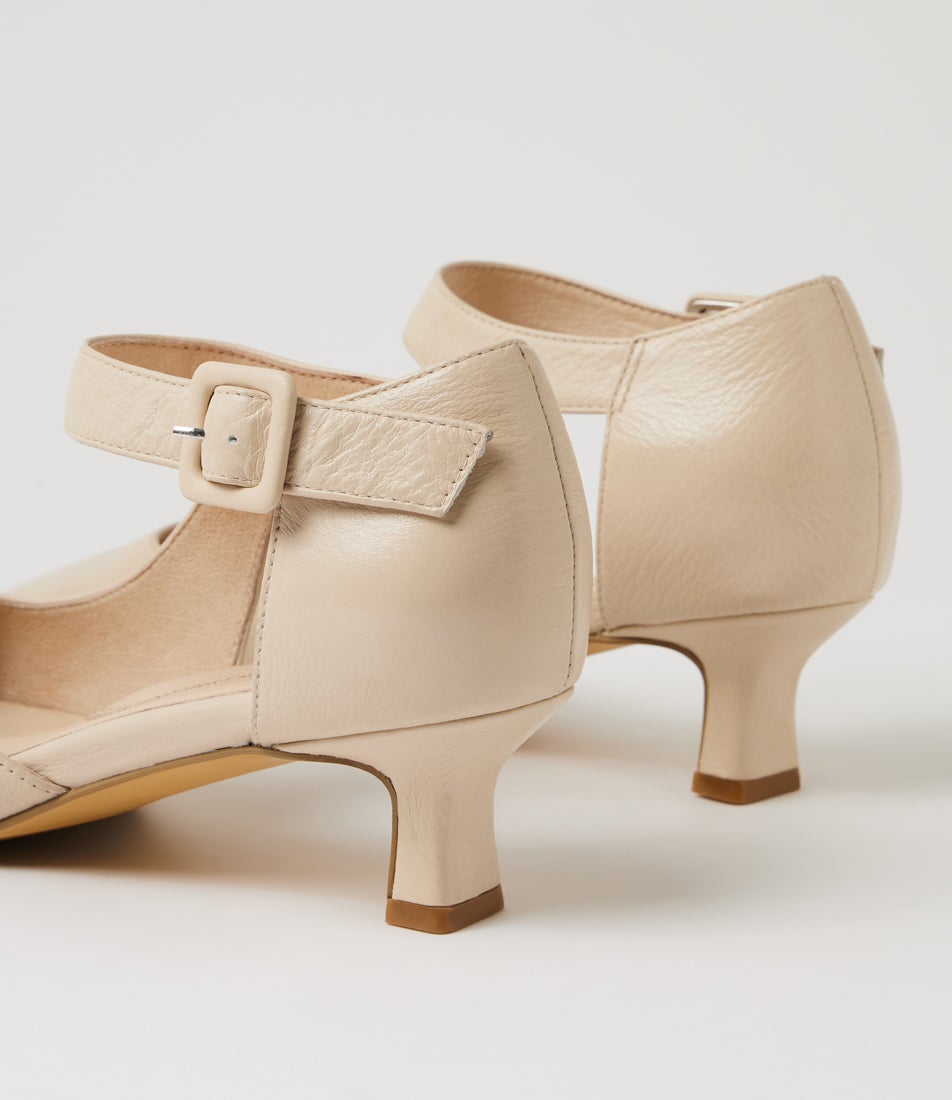
Closed-toe heels suit cooler weather and more formal ceremonies. A pointed toe elongates the silhouette beneath a gown; a rounded toe reads softer.
Bridal flats suit outdoor venues, garden ceremonies, and brides who prioritise comfort. A flat in white satin, ivory leather, or embellished fabric reads bridal without requiring a heel.
Bridal boots are emerging as a less traditional option for winter and rustic weddings. A white or ivory ankle boot beneath a shorter gown adds personality.
Frequently Asked Questions
Q: How do I choose a comfortable bridal shoe?
A: Prioritise heel height you can sustain all day, cushioned insoles, and secure fit. Break in the shoes before the wedding by wearing them at home.
Q: Should bridal shoes be white or ivory?
A: Match the gown's undertone. Bright white for white gowns; ivory for off-white, champagne, or vintage-toned gowns. Ivory is the safer choice if unsure.
Q: Can I wear flats to my wedding?
A: Yes. Bridal flats in white or ivory read elegant and are increasingly popular. Ballet flats and embellished flats both work beneath bridal hemlines.
Q: When should I buy bridal shoes?
A: Early enough to break them in and to have them at dress fittings. The hemline is set to the shoe height, so the shoes need to be finalised before the final fitting.


