






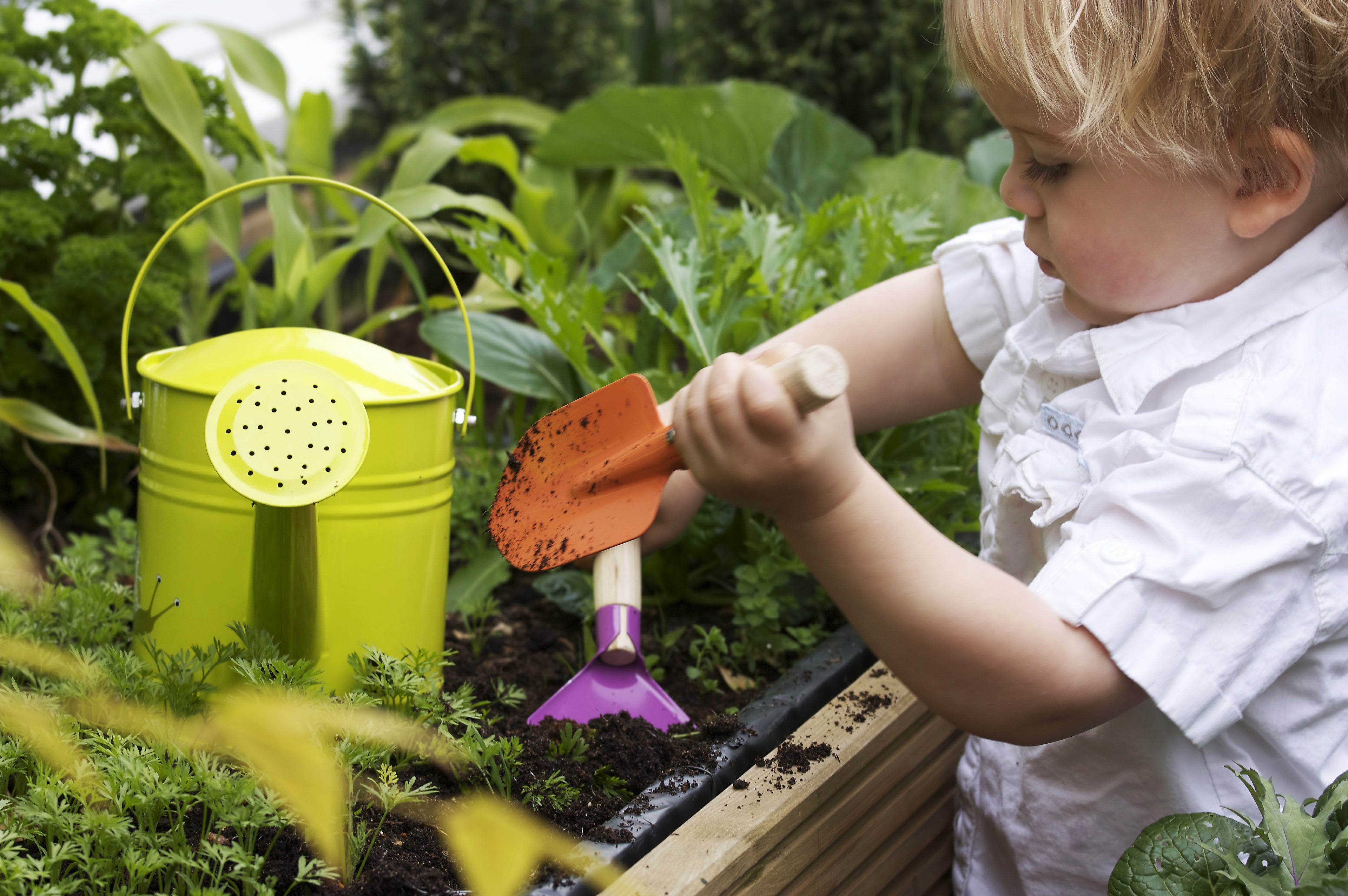
Getting kids into the garden is a wonderful way to teach them about nature and where their food comes from. Here's a guide from our friends at Tui Garden, plus some fun activities to get your little ones inspired in the garden!
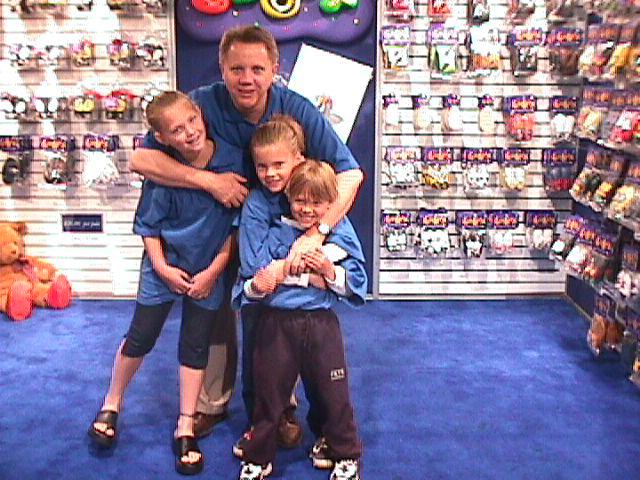
Back in the early 1990s, Bobux Founders Chris and Colleen Bennett were searching for shoes for their baby daughter Chloe. Unable to find the very best for their little girl, Chris took to the garage and created the world’s first pair of Soft Soles. Today Chloe has two babies of her own, and Bobux is a household name around the world! We caught up with the three Bennett kids Chloe, Hannah and Sam to hear what it was like growing up in the world of Bobux, and where Bobux has taken them on the 30 year journey to now.
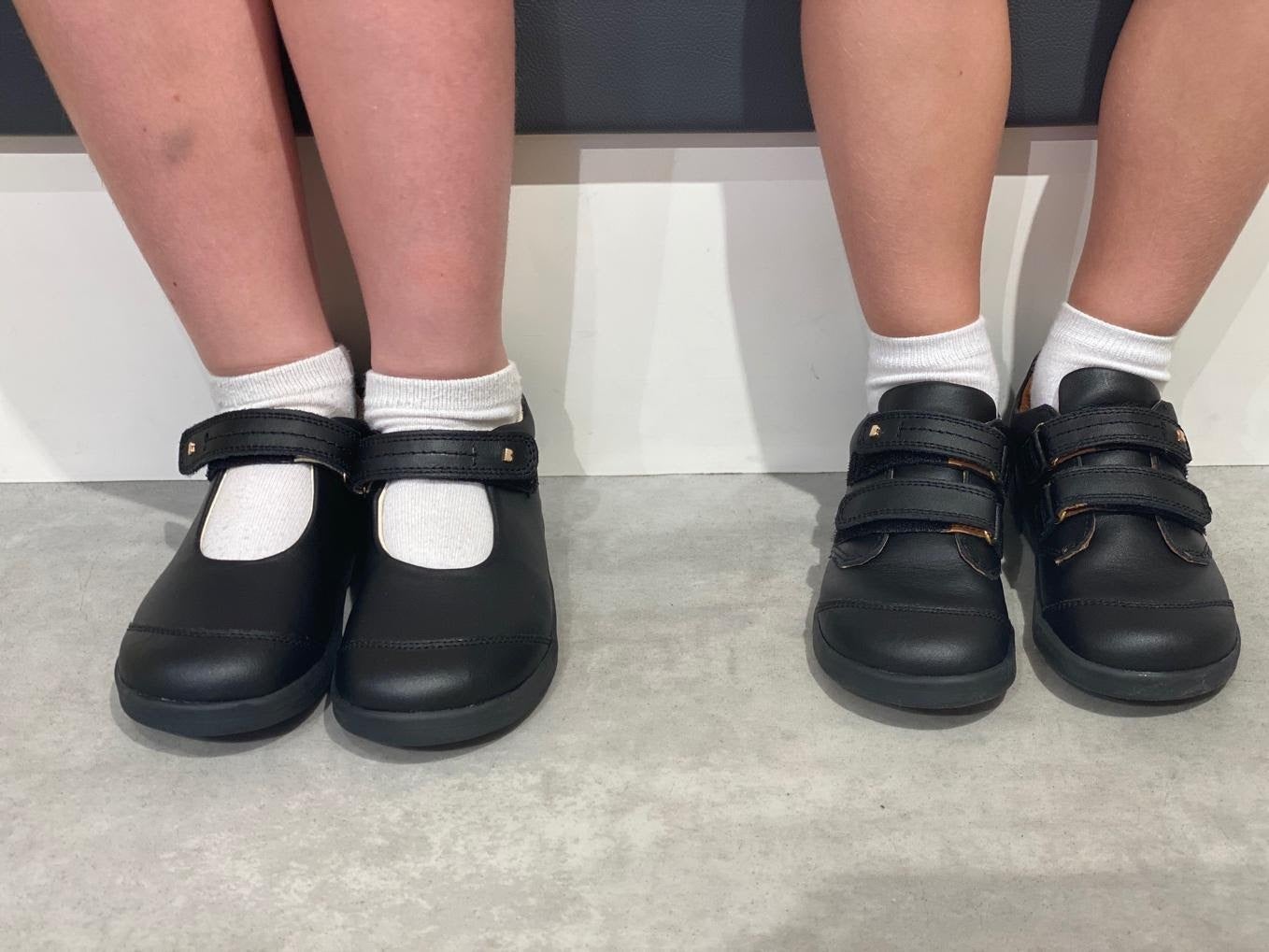
Bobux customer Maraya Bell was lucky enough to get her hands on our new Scout and Piper school shoe styles when we released them to Australian retailer, Shoes and Sox in early 2020. One year on, Maraya lets us know how they've held up with her two active kids over the last year.
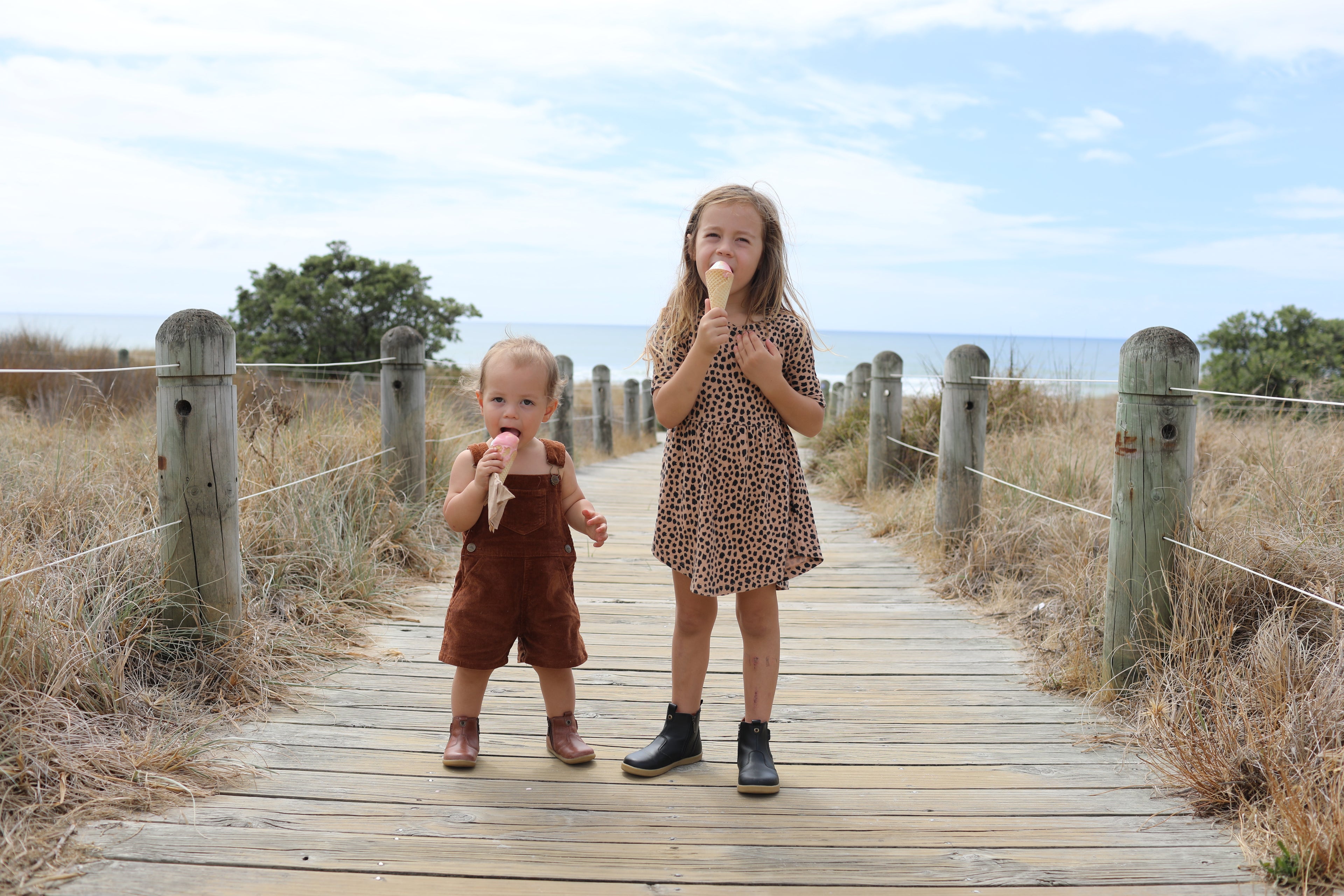
Follow a series of excerpts from our global customers where they open up and share a day in their life with their family - laughs, scrapes, bumps and all, and see how Bobux fits in with their routine to make their lives that little bit easier, and their kids lives that little bit more exciting (and comfy!) while they go about their daily adventures..
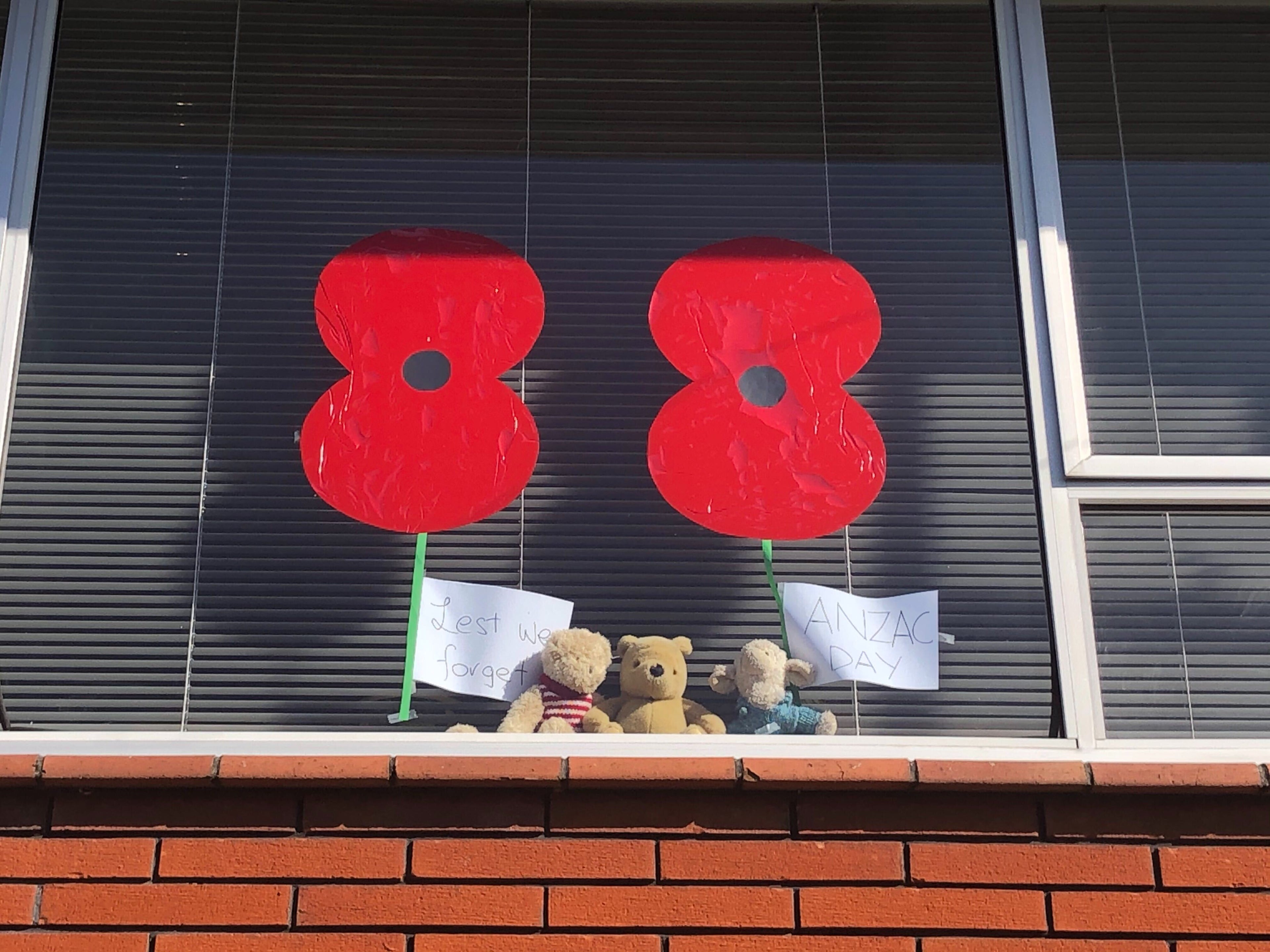
While we are unable to attend services and parades this Anzac Day, there are still plenty of ways we can reflect and commemorate those men and women who so bravely served and sacrificed for New Zealand and Australia. We've put together a few of the ways of how we'll be paying tribute with our families.
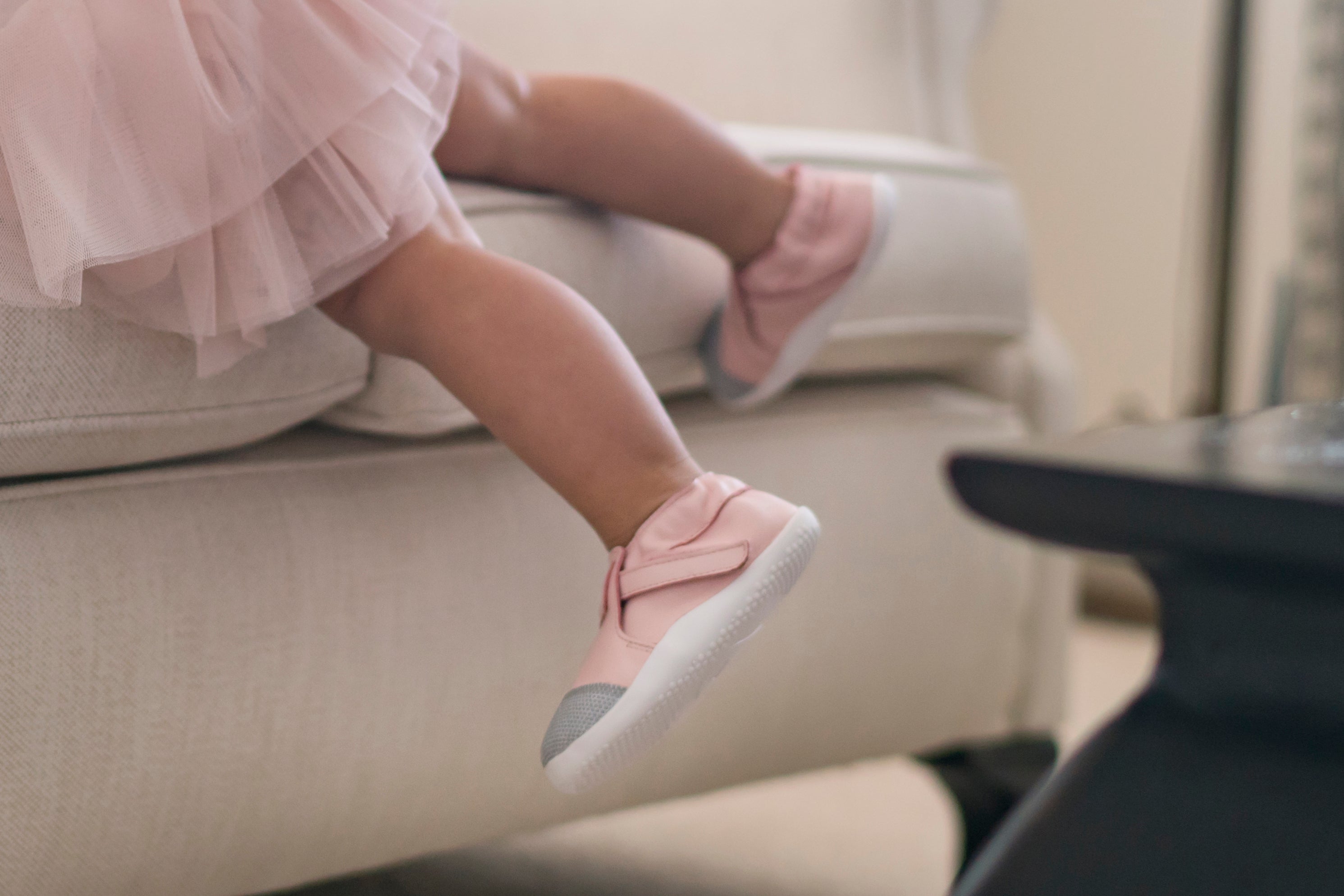
As little explorers find their feet, it’s so important for them to be in shoes that not only provide protection, but also allow for free and natural movement. Antoni Caserta, podiatrist and Director of AJC Podiatry discusses the importance of this and other considerations when looking for footwear, and why he recommends Bobux as a brand of choice.
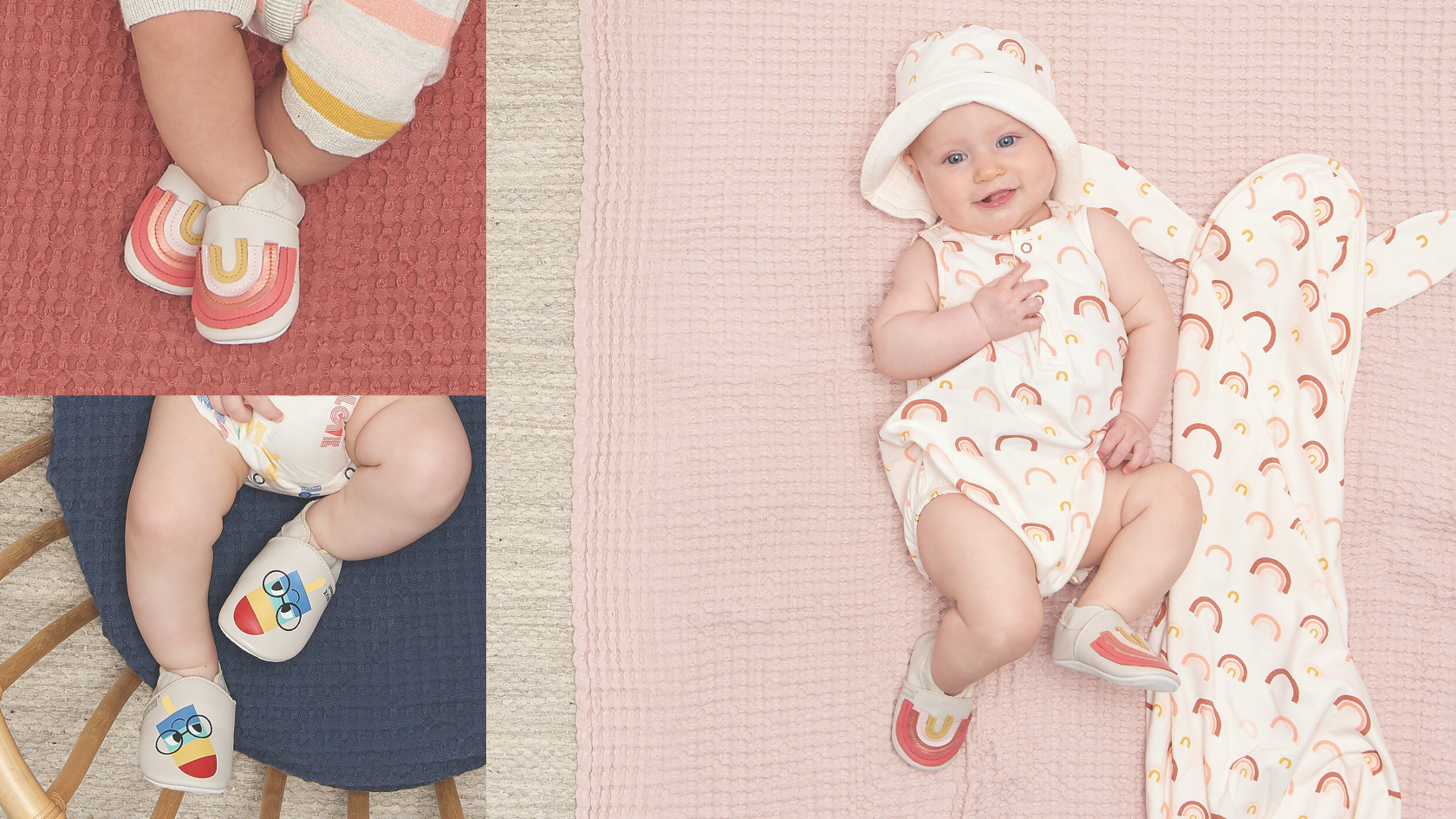
Buying your baby their first pair of shoes is a major decision. There are many reasons including health as to why this is so important. Read along to learn why!
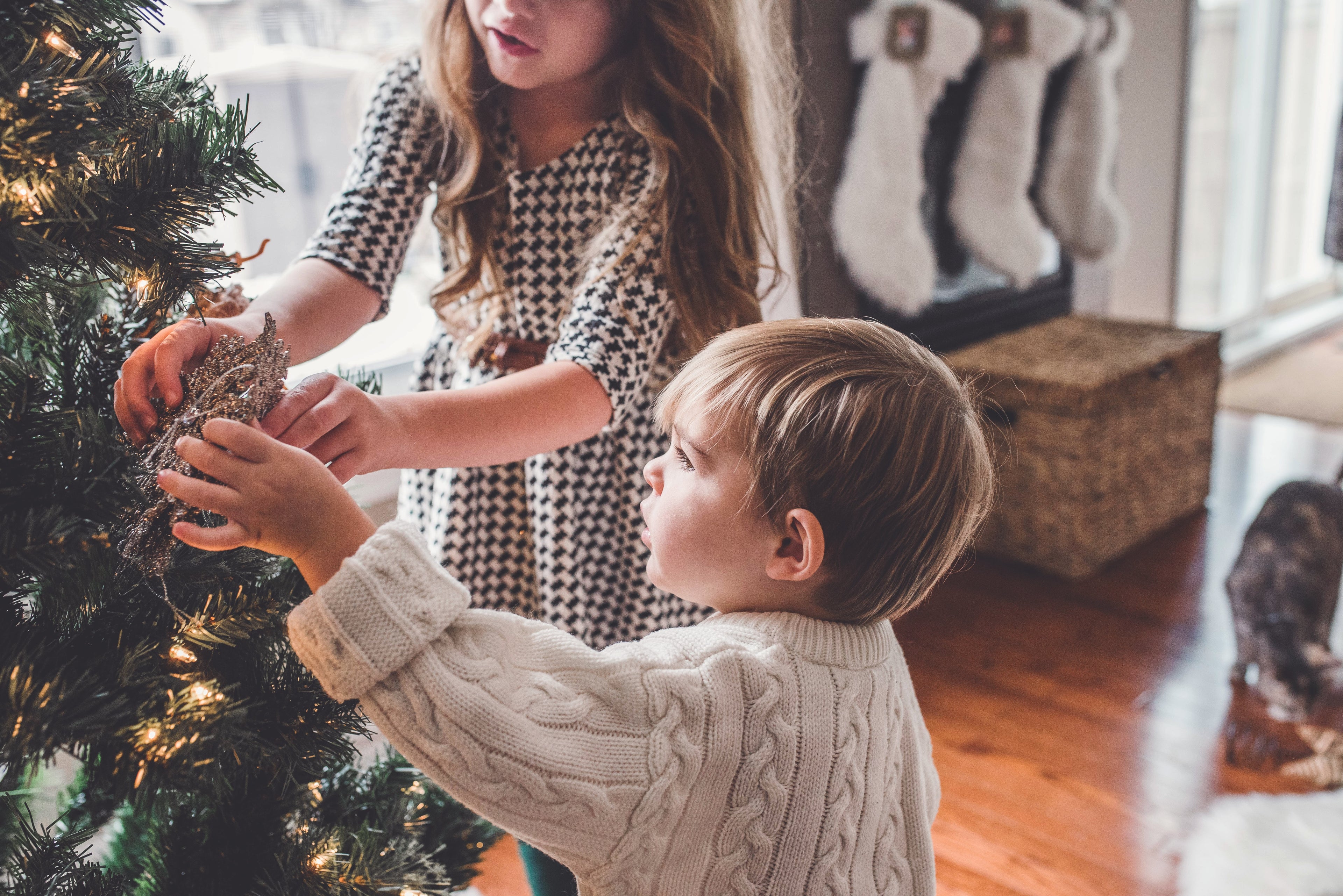
The best holiday traditions always involve quality family time! Revisit some long lost Christmas traditions and introduce a few new ones to bring your family closer together and make this holiday one to remember.
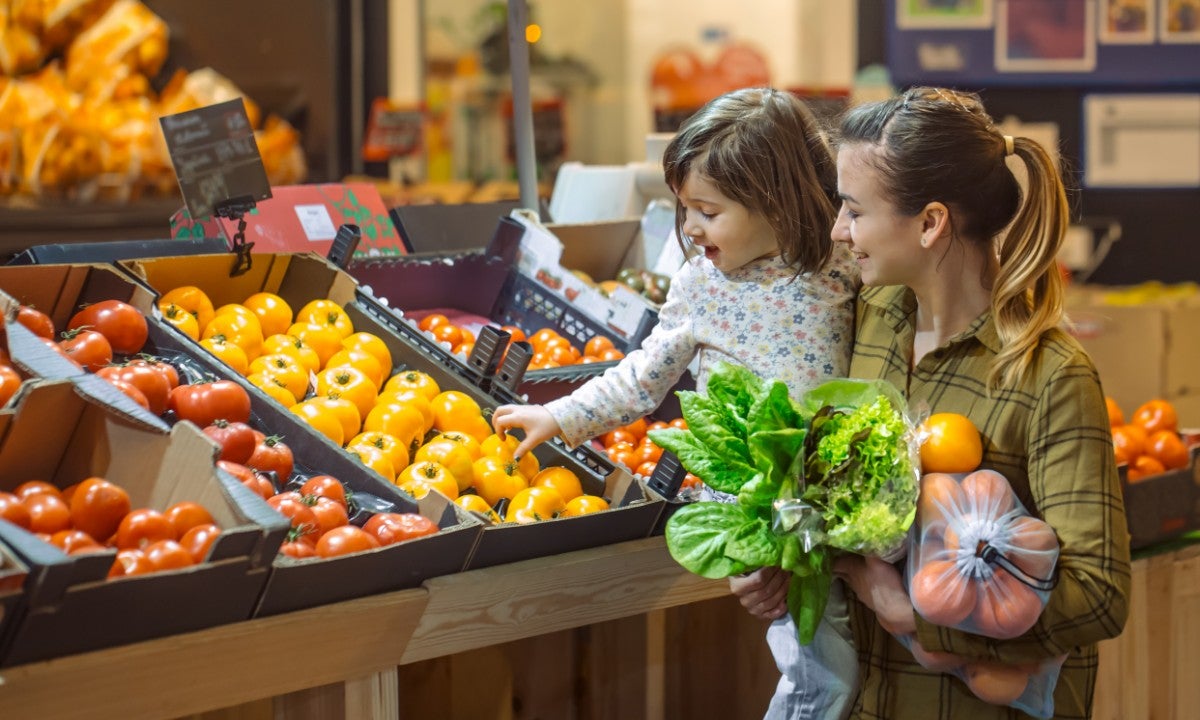
These tips will transform your hectic grocery shop making it enjoyable for everyone.